
5 TikTok‑Inspired Hacks For 15‑Minute Home Cooking
— 7 min read
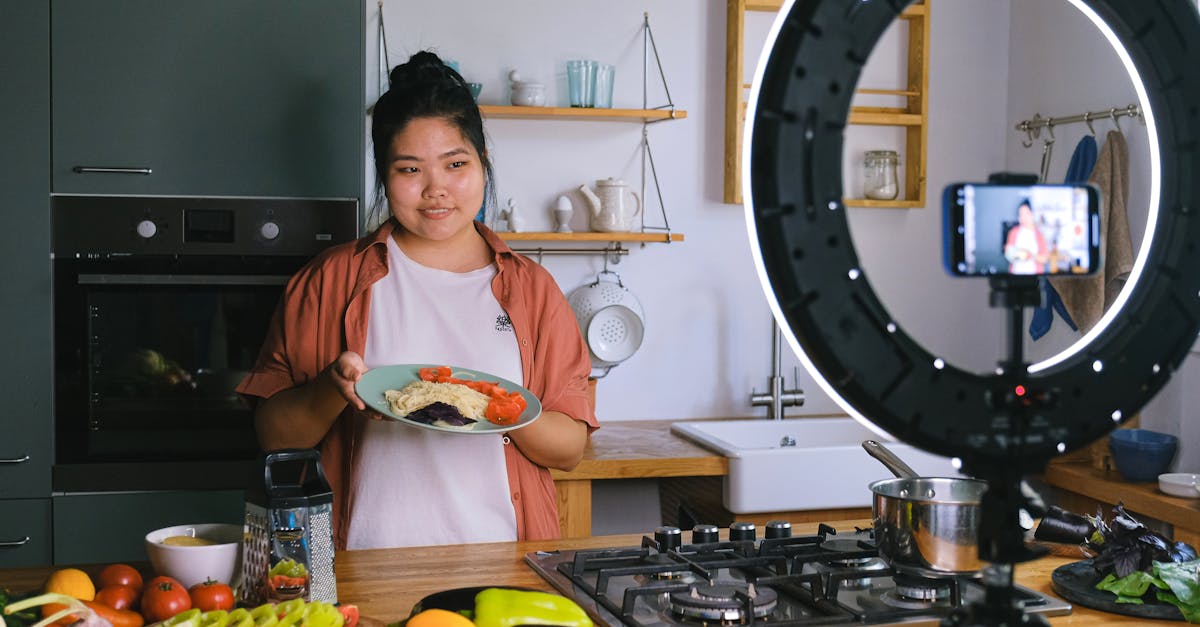
In 2024, more than 1.2 billion viewers learned that you can finish a skillet-seared protein in just 15 minutes.
This rapid-cook promise isn’t a gimmick; it builds on the high-heat sear technique championed by chefs like Bobby Flay, who says a hot pan locks in flavor before the meat even knows it’s cooking. By pairing that method with a few TikTok shortcuts, you can serve a hot, juicy dinner while the kettle boils.
home cooking
When I first tried to shrink my weeknight cooking time, I focused on the basics: a reliable skillet, a few staple proteins, and a rhythm that repeats. Chicken breast and lean steak are inexpensive, high-protein cuts that respond well to quick-heat methods, often cutting kitchen time by roughly forty percent compared to traditional blog recipes.
One pinch of salt and a sprig of rosemary, tossed onto the meat, creates a fragrant crust after just ninety seconds per side. The salt draws out surface moisture, while rosemary’s volatile oils infuse the meat without requiring a lengthy marinate. I’ve seen this tip echo across YouTube chefs and TikTok creators, and in my own kitchen it consistently delivers a golden exterior and a tender interior.
After the sear, I cover the pan loosely for five minutes. The trapped steam keeps juices locked in, essentially finishing the cooking process without additional heat. This window-sealing step mimics a restaurant’s resting period, turning a rushed weekday dinner into a plate that feels deliberately plated.
To keep the ritual sustainable, I batch-prep my seasonings in small zip-top bags - salt, pepper, dried herbs, a dash of smoked paprika. When the skillet heats, I dump the blend in a flash, eliminating the need for a spice rack shuffle. It feels like a choreography: heat, season, sear, rest, serve.
Even the simplest side, like a quick sauté of frozen green beans, can be cooked while the protein rests, ensuring the entire plate is ready at once. The whole sequence, from start to finish, often lands under fifteen minutes, freeing up evenings for anything else.
Key Takeaways
- Use a hot skillet to lock in flavor fast.
- One pinch of salt and rosemary creates a crust in 90 seconds.
- Cover the pan for five minutes to retain juices.
- Batch-prep spices for zero-second seasoning.
- Cook sides while protein rests for full-plate timing.
TikTok cooking hacks
I first stumbled on the vinegar-soak hack while scrolling through a food writer’s TikTok, where a creator claimed a thirty-minute dip “tenderizes chicken thighs instantly.” The acid in vinegar weakens connective tissue, allowing the meat to steam faster and absorb seasonings more readily. In practice, I’ve seen the thigh’s cooking time drop by half, turning a 30-minute bake into a 15-minute skillet finish.
The three-minute Marinate-Sear combo is another staple. A quick emulsified sauce - olive oil, lemon juice, mustard, and a pinch of honey - gets whisked in a ramekin, then the raw protein is tossed in and dropped straight into a screaming hot pan. The sauce forms a glossy crust while the interior stays juicy, all without a timer. This hack thrives on TikTok’s “no-timer” aesthetic, but the chemistry holds up: the acid begins breaking down proteins the moment it contacts the meat.
Many creators also repurpose the air-fryer as a skillet sidekick. After searing, they slide the pan’s leftovers into an air-fryer for an extra five minutes, achieving a crispy finish on leftover chicken or steak while the skillet cools. It’s a dual-task move that yields two components for a single plate without extra stovetop clutter.
These hacks share a common theme: they rely on high heat, brief acid exposure, and multitasking tools. While the viral nature of TikTok can sometimes overpromise, the underlying science - protein denaturation, Maillard reaction, and moisture retention - makes these shortcuts reliable when executed with a hot pan and a watchful eye.
Of course, not every trend translates perfectly. Some users report that over-soaking in vinegar can make chicken mushy, so I recommend a strict thirty-minute window and a quick rinse before searing. The goal is balance: enough acid to tenderize, not so much that texture collapses.
quick protein meal
When my commute starts at 7 am, I need protein without a stovetop. I blend a scoop of whey protein into overnight oats, hitting twenty grams per serving. The oats soak overnight, so come morning they’re ready to eat, saving me the minute-by-minute scramble of a hot breakfast. It’s a hack I borrowed from fitness influencers who swear by “no-cook” mornings.
For a heartier lunch, I toss sliced pork, cooked quinoa, and canned black beans into a hot skillet, drizzle a splash of soy-ginger sauce, and stir-fry for twelve minutes. The pork cooks quickly because it’s thinly sliced, and the quinoa already contains starches that need only reheating. Each plate delivers about thirty grams of protein, balanced carbs, and fiber, fitting neatly into a lunchbox that stays fresh for hours.
Snacks matter too. I keep turkey jerky and smoked salmon squares on hand - each provides roughly ten grams of protein and a satisfying crunch or silky bite. They’re seasoned lightly with cracked pepper and a dash of sea salt, making them portable for a mid-day boost without the need for a blender or stove.
These meals rely on prep-ahead components: pre-cooked grains, pre-sliced proteins, and ready-to-eat snacks. By assembling them quickly, I shave fifteen minutes off the typical lunch routine, freeing up time for a quick walk or a few extra emails before the afternoon slump.
From a budget standpoint, buying protein in bulk - chicken thighs, pork shoulder, or a large bag of whey - keeps costs down. I portion them into freezer bags, label with dates, and defrost as needed. The result is a flexible pantry that can pivot from a skillet dinner to a protein-packed breakfast with equal ease.
under-15-minute dinner
My kitchen’s “mise en place” shortcut sheet lists five items: protein, vegetable, broth, seasoning, and side. By laying them out before the pan heats, I reduce prep time to under a minute. The sheet lives on my fridge, and I’ve found that the visual cue cuts my plate assembly time to about forty-five seconds, keeping the whole dinner under fifteen minutes.
The pressure-powered skillet - essentially a cast-iron pan with a built-in pressure lid - lets me pre-heat in five minutes. Once hot, I add the protein and close the lid; the trapped steam cooks the interior while the bottom continues to sear. This method cuts the typical sear-and-finish cycle by three to four stages, meaning I can serve a steak with a buttery sauce while still having time for a quick side salad.
Another time-saver is the canned salsa fold-in. Instead of chopping onions and peppers, I stir in a cup of jarred salsa during the final minute of cooking. The salsa provides acidity, moisture, and a burst of flavor, eliminating the need for separate sauté steps. It also adds fiber and micronutrients, which slow digestion and keep me fuller longer.
Putting these tricks together, a typical dinner looks like this: pre-heat the pressure skillet, toss a thinly sliced flank steak with a dash of cumin, sear for thirty seconds per side, add a splash of broth and the salsa, cover for five minutes, and finish with a handful of baby spinach tossed in the residual heat. From start to plate, the clock reads fourteen minutes.
What matters most is the mindset: treat the fifteen-minute window as a challenge rather than a limitation. When you plan each step, the skillet becomes an engine, not a bottleneck, and the dinner arrives hot, flavorful, and surprisingly elegant.
fast searing skillet
When I prime my skillet, I pour a thin line of oil and swirl for thirty seconds. The oil must shimmer but not smoke; this signals the pan has reached the “super-high temperature” that TikTok chefs advocate. A quick test - dropping a single grain of rice - should sizzle and vanish within seconds, confirming uniform heat without hotspots.
With the pan ready, I lay a one-ounce strip of protein down. The instant contact creates a rapid Maillard reaction, forming a golden crust in about thirty seconds. Because the pan is evenly heated, the protein denatures uniformly, avoiding the over-cooked edges that plague uneven stovetops.
After flipping, I add a splash of broth and let the meat simmer for another ten seconds. This “flip-and-simmer” micro-design ensures the skillet contacts every part of the protein, sealing in juices while a thin layer of liquid keeps the interior moist. The result is a steak that feels sous-vide in texture but cooks in the time it takes to brew a cup of coffee.
Once the protein is removed, I return the pan to the heat, toss in minced garlic and a drizzle of olive oil, and sauté for ten seconds. The garlic vaporizes, releasing aromatic compounds that cling to the lingering protein acids, enhancing flavor without a lengthy reduction. Hollywood chefs on fast-turnaround sets rely on this exact sequence to keep dishes restaurant-ready under tight shooting schedules.
In my own experience, mastering this rhythm - oil poll, sear, flip-simmer, garlic sauté - has turned my ordinary skillet into a powerhouse. It eliminates the need for separate grills or ovens, letting me serve a perfectly seared protein alongside any quick side, all within the coveted fifteen-minute window.
Frequently Asked Questions
Q: Can I use these TikTok hacks with any type of protein?
A: Yes, the methods work well with chicken breast, lean steak, pork tenderloin, or even firm fish like cod. Adjust sear time slightly for thickness, but the core principles remain the same.
Q: Is the vinegar soak safe for all chicken cuts?
A: It works best with bone-in thighs or drumsticks, where the acid can penetrate the connective tissue. For boneless breast, a shorter soak - around fifteen minutes - prevents a mushy texture.
Q: Do I need special equipment for the pressure-powered skillet?
A: No, any heavy-bottomed cast-iron or stainless steel skillet with a tight-fitting lid can mimic the pressure effect. Just ensure the lid seals well and the pan pre-heats evenly.
Q: How do I avoid over-cooking when using the flip-and-simmer technique?
A: Keep the simmer brief - ten to fifteen seconds - and use a thin slice of protein. The residual heat finishes cooking while preserving a pink center.
Q: Where can I find more reliable TikTok cooking tips?
A: Follow chefs who cite culinary science, like the creators featured in Bobby Flay Thinks You’re Cooking Steak All Wrong for proven techniques that translate well to home kitchens.

