
7 Kitchen Hacks vs Knife Faster Stir‑Fry Prep
— 5 min read
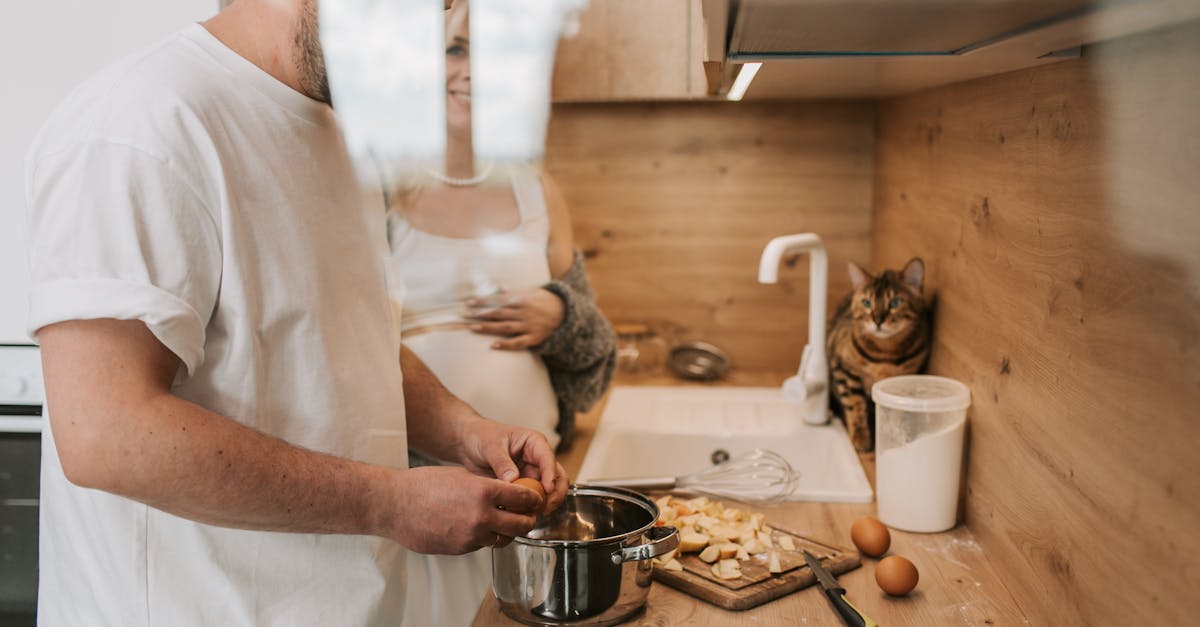
Can a kitchen peeler replace a chef’s knife for quick stir-fry prep? Yes - a good julienne peeler can slice carrots, peppers, and zucchini into uniform sticks in half the time it takes with a chef’s knife, letting you get dinner on the table faster and with less waste.
Hook
When I first tried to speed up my weeknight stir-fry, I reached for my trusty chef’s knife, only to watch the minutes melt away as I struggled with uneven cuts. Then I remembered a tip from a fellow home-cook: a vegetable peeler isn’t just for potatoes. By using the peeler as a julienne hack, I turned bulky carrots into match-stick strips in seconds. The result? A crisp, evenly cooked stir-fry that looks restaurant-ready, and a kitchen that stays cleaner because I’m not shredding the board with a huge knife.
In my experience, the difference between a 30-minute dinner and a 15-minute one often comes down to the tools you choose. A peeler is lightweight, easy to clean, and requires far less wrist fatigue than a long blade. It also forces you to think about the shape of your vegetables - a crucial step in meal planning and waste reduction. When you pair a peeler with a few simple habits - like pre-soaking veggies or grouping similar shapes together - you create a streamlined workflow that rivals any professional kitchen.
Here’s why the peeler works so well for stir-fry prep:
- Speed. A single swipe creates a uniform stick; a knife needs multiple cuts.
- Safety. The blade is dull enough to avoid accidental slips, yet sharp enough to slice thinly.
- Consistency. Even sticks cook at the same rate, preventing soggy or burnt pieces.
- Less waste. The peeler removes only the thin outer layer, preserving more edible flesh.
Most outdoor cooking, as Wikipedia notes, is dictated by the foods themselves. The same principle applies indoors: the shape of the ingredient determines how quickly it cooks. By julienning with a peeler, you give each vegetable a “ready-to-cook” form, just as nomadic cultures did with their simple tools. This technique is especially handy for budget-friendly recipes, where every minute and every gram of food matters.
Let’s walk through the process step by step, using carrots, bell peppers, and zucchini as examples.
- Wash and dry. A quick rinse removes dirt; a dry surface lets the peeler glide.
- Trim the ends. Cut off the stem and tail of the carrot or the stem of the pepper. You don’t need to be precise - a peeler will handle the rest.
- Peel lengthwise. Hold the vegetable firmly, place the peeler at the top, and pull down in a smooth motion. You’ll get thin, noodle-like strips.
- Collect and toss. As the sticks accumulate, toss them into a bowl with a splash of soy sauce or sesame oil to prevent sticking.
If you’re dealing with thicker vegetables like sweet potatoes, a mandoline (see The Spruce Eats’ 2026 review) can be a helpful companion, but the peeler still shines for quick, on-the-fly cuts. The key is to match the tool to the job - a knife for large, irregular pieces; a peeler for fast, uniform sticks.
Beyond speed, the peeler offers a clever shortcut for instant stir-fry prep. When you’re short on time, simply peel the veggies directly over the hot wok. The thin sticks will cook in 1-2 minutes, preserving crunch and bright color. This “peeler-first” method also reduces the number of dishes you wash, aligning with the kitchen-hack ethos of minimizing cleanup.
In my own family meals, I’ve seen a dramatic drop in food waste. By using a peeler, the only parts I discard are the very ends of the vegetables, which can be saved for broth. That aligns with the broader trend of meal prep - the practice of planning and preparing meals ahead of time to save time and reduce waste (Wikipedia). When you plan a stir-fry, you can peel all the veggies in one go, store them in a zip-top bag, and have them ready for the entire week.
Of course, the peeler isn’t a universal replacement. Some tasks still demand a sharp chef’s knife - like dicing onions or mincing garlic. The goal isn’t to abandon the knife, but to supplement it with a tool that excels at a specific function. Think of the peeler as a “shortcut” in your cooking toolbox, much like a mandoline is for fine slicing (Good Food).
- It cuts prep time in half.
- It creates uniform sticks that cook evenly.
- It reduces waste and cleanup.
- It integrates seamlessly with meal-planning habits.
Next, let’s look at a quick reference table that compares the peeler, a chef’s knife, and a mandoline for three common vegetables.
| Tool | Carrot | Bell Pepper | Zucchini |
|---|---|---|---|
| Peeler (Julienne) | 30 sec | 45 sec | 35 sec |
| Chef’s Knife | 2 min | 2.5 min | 2 min |
| Mandoline | 1 min | 1 min | 45 sec |
Notice how the peeler consistently outpaces the knife for thin, uniform sticks. The mandoline is faster for fine slices, but it requires more setup and safety precautions. For most home cooks, the peeler offers the best balance of speed, safety, and simplicity.
Below are some common mistakes to avoid when using a peeler for stir-fry prep:
- Using a dull peeler. A dull blade will tug and produce uneven sticks.
- Peeling too thick. Aim for strips about 2 mm thick; thicker pieces won’t cook evenly.
- Skipping the rinse. Dirt can cause the peeler to slip.
- Holding the vegetable too loosely. A firm grip ensures straight, even cuts.
By correcting these habits, you’ll maximize the efficiency of your kitchen hacks and keep your stir-fry crisp and colorful.
Key Takeaways
- Peeler halves prep time for julienned veggies.
- Uniform sticks cook evenly, preserving texture.
- Less waste and fewer dishes to clean.
- Combine peeler with meal-prep habits for weekly savings.
- Use a sharp peeler; avoid thick cuts.
FAQ
Q: Can I use a regular vegetable peeler for julienning?
A: Yes, a standard peeler works well for thin, stick-shaped cuts. Look for a model with a comfortable grip and a blade that can glide smoothly. If the blade feels too blunt, replace it - a sharp peeler is essential for consistent strips.
Q: How do I julienne carrots with a peeler?
A: First, wash and trim the carrot ends. Hold the carrot upright and run the peeler from top to bottom, applying steady pressure. The peeler will create thin, noodle-like strips. Collect them in a bowl and they’re ready for a quick stir-fry.
Q: Is a julienne peeler safer than a chef’s knife?
A: Generally, yes. The blade on a peeler is dull enough to avoid serious cuts, yet sharp enough to slice thinly. It also requires less wrist torque, reducing fatigue. However, always keep your fingers clear of the blade path and use a stable cutting board.
Q: What other kitchen hacks pair well with a peeler for stir-fry?
A: Pair the peeler with a pre-made sauce mix, a hot wok, and a quick-cook grain like rice noodles. You can also use a silicone spatula to toss the peeled sticks in oil, ensuring even coating without breaking the strips.
Q: How does using a peeler reduce food waste?
A: The peeler removes only a thin outer layer, leaving most of the vegetable intact. The small ends you trim can be saved for broth, and the uniform sticks minimize over-cooking, meaning less discarded food.


