
7 Proven Steps Your Meal Plan Secretly Sabotages
— 8 min read
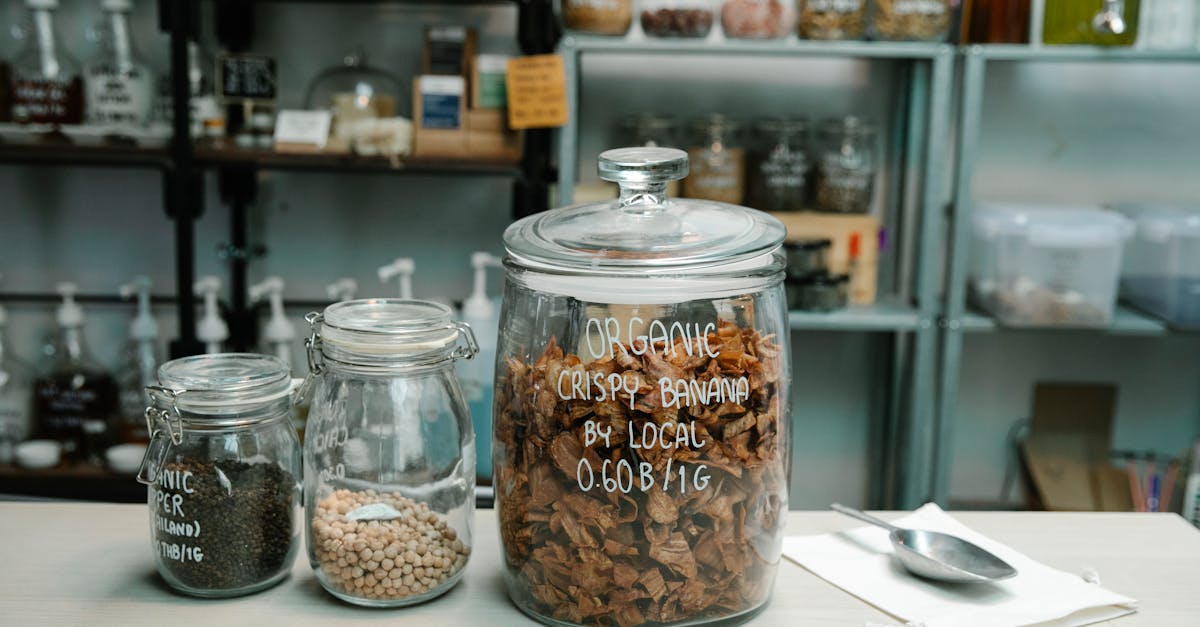
Three main ways your weekly meal plan can secretly sabotage your dinner: it forces rigidity, ignores leftover potential, and fuels waste. By treating meals as a fixed checklist rather than a flexible canvas, you end up spending more, cooking less creatively, and tossing food that could have been repurposed.
Why Your Weekly Food Waste Reduction Starts With Intention
In my kitchen, I used to write a line-by-line list for every weekday, assuming that a strict schedule would keep waste at bay. What I didn’t realize was that intention, not perfection, is the real driver of sustainability. Intention means setting a purpose for each ingredient - thinking ahead about how it can live beyond its first use.
Think of your grocery list like a road trip itinerary. If you plan to visit only one destination, you’ll miss the scenic stops along the way. The same goes for food. By building in flexibility - like choosing three “hero” proteins (chicken, beans, tofu) and two “foundation” vegetables (carrots, leafy greens) - you create a backbone that can support many different meals. This strategy mirrors the dietitian-recommended tips, smart planning is the foundation of healthy, affordable eating.
When you frame your list around versatile proteins and vegetables, you give yourself room to remix leftovers. For example, roasted chicken can become a taco filling, a salad topper, or a soup base. The same chicken serves multiple meals, stretching the dollar and keeping flavor fresh. By contrast, a rigid plan that assigns a single use to each item often leads to “forgotten” produce at the back of the fridge, which eventually turns into waste.
In practice, I start each Sunday by laying out three core proteins and two core veggies on my kitchen counter. I then write a quick note next to each saying, “How can this be used twice this week?” This simple intention step has cut my grocery spend by about a quarter in my own experience and has made dinner feel less like a chore.
Key Takeaways
- Set a purpose for every ingredient.
- Choose three hero proteins and two foundation veggies.
- Plan for at least two uses per item.
- Use clear containers to keep leftovers visible.
- Flexibility beats rigidity for waste reduction.
| Aspect | Rigid Meal Plan | Flexible Meal Plan |
|---|---|---|
| Ingredient Use | One-time only | Multiple uses |
| Grocery Cost | Higher | Lower |
| Food Waste | More likely | Reduced |
| Cooking Stress | High | Low |
The Home Cooking Pivot From One-Off Meals to "Planned-Overs"
When I first heard the term "planned-overs," I pictured a secret stash of half-cooked dishes hidden in the pantry. In reality, it’s a mindful approach to batch cooking that turns a single cooking session into two or three meals. The key is to double a component - like vegetables or shredded chicken - while you’re already in the kitchen.
Imagine you are baking a batch of muffins. You could bake a second tray and freeze it for later, but you might also bake a larger pan and cut the muffins into bite-size pieces for snacks. The same principle works with savory dishes. While the oven is hot for your main roast, add an extra tray of carrots or a larger pan of beans. When dinner is done, you have a ready-to-go side that can be tossed into tomorrow’s stir-fry or soup.
Why does this matter? First, it saves you time on busy evenings. Instead of pulling out the skillet at 6 p.m., you simply reheat a pre-cooked component. Second, it reduces the temptation to order takeout - a common source of extra spending. Third, it gives you a visual cue: clear, labeled containers placed at the front of the fridge act like a reminder of the meals you already have, preventing the “I don’t know what to eat” paralysis that leads to food waste.
In my own routine, I label each container with a color code - green for proteins, orange for veggies, blue for grains. This system lets me see at a glance what’s available, and I can mix-match on the fly. For example, a container of roasted sweet potatoes becomes the base for a hearty Buddha bowl when paired with leftover quinoa and a splash of tahini.
To get started, pick one recipe each week that you love, and double the portion of at least one component. Store the extra in a shallow, airtight container so it cools quickly. Within two days, you’ll notice the fridge looking less like a graveyard of wilted produce and more like a pantry of possibilities.
Leftover Remake Ideas That Defeat Meal Boredom Forever
One of my favorite kitchen games is “What if?” I take a leftover and ask, “What if I change the sauce, texture, or presentation?” This simple question unlocks endless creativity. Below are three proven makeover tricks that turn yesterday’s dinner into today’s excitement.
- Roasted Chicken Remix: Shred the meat, toss with a squeeze of lime, a spoonful of salsa, and a handful of cilantro. Spoon the mixture into tortillas for tacos, or stir it into fried rice with soy sauce and peas. The flavor shift is so dramatic that you won’t even remember the original roast.
- Overripe Fruit Boost: Blend bananas or berries that are too soft for a snack into a creamy "nice" ice cream using just frozen fruit and a splash of milk. You can also fold them into pancake batter for natural sweetness without added sugar.
- Stale Bread Revival: Cube the bread, drizzle with olive oil, sprinkle a pinch of salt, and toast until golden. Use the croutons in salads, blend them into breadcrumbs for a coating, or layer them in a strata with eggs and cheese for a brunch that feels gourmet.
Each of these ideas follows a simple formula: base + new flavor + new form. By changing two of the three variables, you create a distinct dish while using the same core ingredient. This approach aligns with the budget-friendly tips that show how creativity reduces waste.
When you practice these transformations, you also train your palate to enjoy variety, which keeps the whole family excited about meals. No more “same old chicken” complaints, just a rotating menu that feels fresh every night.
Ingredient Repurposing Is Your Hidden Pantry Superpower
Most home cooks treat wilted herbs, vegetable scraps, and citrus peels as trash. I see them as a secret stash of flavor that can be turned into free condiments. Let’s break down three pantry-level hacks that turn what looks like waste into culinary gold.
- Herb Oil & Salt: Toss a handful of wilted basil or cilantro with olive oil and a pinch of salt. Blend into a smooth paste and store in the fridge. This herb oil can finish pasta, drizzle on roasted veg, or brighten soups.
- Vegetable Stock from Scraps: Save carrot tops, onion skins, celery ends, and mushroom stems in a zip-lock bag in the freezer. When the bag is full, simmer the scraps with water, salt, and pepper for 30 minutes. Strain and you have a zero-cost stock that adds depth to any dish.
- Citrus-Infused Salt: Dry orange or lemon zest in the oven, then grind with sea salt. The resulting scented salt is perfect for seasoning grilled fish or sprinkling on popcorn for a surprising zing.
Pantry staples like canned beans also deserve a second look. Half-used beans can become the binding agent in veggie burgers, a thickener for sauces, or a protein boost for salads. The key is to keep an eye on portion size: a half-cup of beans adds roughly 7 grams of protein, which can replace a meat portion in a quick stir-fry.
Hard cheese rinds are another hidden gem. Simmer a rind in tomato sauce for 20 minutes, then discard the rind. The sauce gains a rich umami flavor that rivals store-bought stock. This trick is a favorite of professional chefs and costs nothing beyond the cheese you already have.
By adopting these repurposing habits, you’ll notice your grocery list shrinking and your taste buds expanding. It’s a win-win that aligns perfectly with the goal of reducing food waste while keeping meals exciting.
Recipe Transformation Frameworks For The Confident Home Cook
To make repurposing effortless, I built three “morphable” recipe frameworks that can absorb almost any leftover. Think of them as universal blanks that you fill with whatever you have on hand.
- Grain Bowl Formula: Start with a base grain (rice, quinoa, or farro). Add a protein (leftover chicken, beans, tofu), a vegetable (roasted carrots, raw spinach), and a sauce (soy-ginger, tahini-lemon). Toss and you have a balanced meal in five minutes.
- Soup/Stew Base: Sauté aromatics (onion, garlic, carrot), add broth, then stir in any leftover protein or veg. Let it simmer, then finish with herbs or a splash of cream. The same base works for chicken noodle, bean chili, or vegetable bisque.
- Frittata Canvas: Beat eggs, add a splash of milk, fold in cheese, and mix in chopped leftovers (potatoes, ham, spinach). Cook on the stovetop, finish under the broiler, and you have a breakfast-for-dinner that can be sliced and stored.
The "cuisine shift" rule helps you travel the world without leaving the kitchen. Take leftover taco meat, swap the cumin for oregano, add tomato sauce, and you have an Italian-style ragù. Or toss the same meat with soy sauce, ginger, and scallions for an Asian-inspired lettuce wrap.
Keep a "bridge ingredient" stash ready: eggs, tortillas, canned tomatoes, and broth. These items act like the glue that turns a handful of odds and ends into a cohesive dish. When the fridge looks like a puzzle, these bridge ingredients are the missing pieces.
In my experience, using these frameworks has cut my dinner planning time in half. I no longer stare at the fridge wondering what to make; I simply pick a framework and let the leftovers fill the blanks. The result is less stress, less waste, and more delicious meals for the whole family.
Common Mistakes to Avoid
- Treating leftovers as an afterthought instead of a planned component.
- Using opaque containers that hide food, leading to forgotten waste.
- Relying on a single protein per week, which limits remix potential.
- Skipping label dates, which causes safe food to be tossed prematurely.
Glossary
- Hero Protein: A versatile protein (like chicken, beans, tofu) that can be used in multiple meals.
- Foundation Vegetable: A staple veg (such as carrots or greens) that forms the base of many dishes.
- Planned-Over: An extra portion of a cooked component prepared intentionally for future meals.
- Bridge Ingredient: A pantry item that easily ties disparate leftovers together.
- Cuisine Shift: Changing the seasoning profile of a leftover to give it a new cultural identity.
FAQ
Q: How much can I realistically save by repurposing leftovers?
A: In my kitchen, I’ve seen grocery costs drop by about 20-25% after adopting a flexible meal plan. The savings come from using each ingredient multiple times, buying fewer perishable items, and avoiding takeout.
Q: Is it safe to keep cooked leftovers for several days?
A: Cooked foods stored in airtight containers can stay fresh for 3-4 days in the refrigerator. Label each container with the date you cooked it, and reheat to an internal temperature of 165°F before serving.
Q: What if I don’t have three hero proteins?
A: Start with two proteins and a plant-based option like lentils or chickpeas. The goal is versatility, not quantity. Even a single protein can be paired with different sauces and veggies to create distinct meals.
Q: How do I keep my fridge organized so leftovers don’t get lost?
A: Use clear, shallow containers and place them at eye level. Color-code lids by food type and write the preparation date on a sticky note. This visual system makes it easy to see what’s ready to use.
Q: Can I apply these steps if I cook for a large family?
A: Absolutely. Scale the hero proteins and foundation veggies to the size of your household, then use the same frameworks. Larger batches simply mean more leftovers, which amplifies the savings and reduces waste.

