
Fix Home Cooking Sauce Sticking vs Quick-Tap Trick
— 5 min read
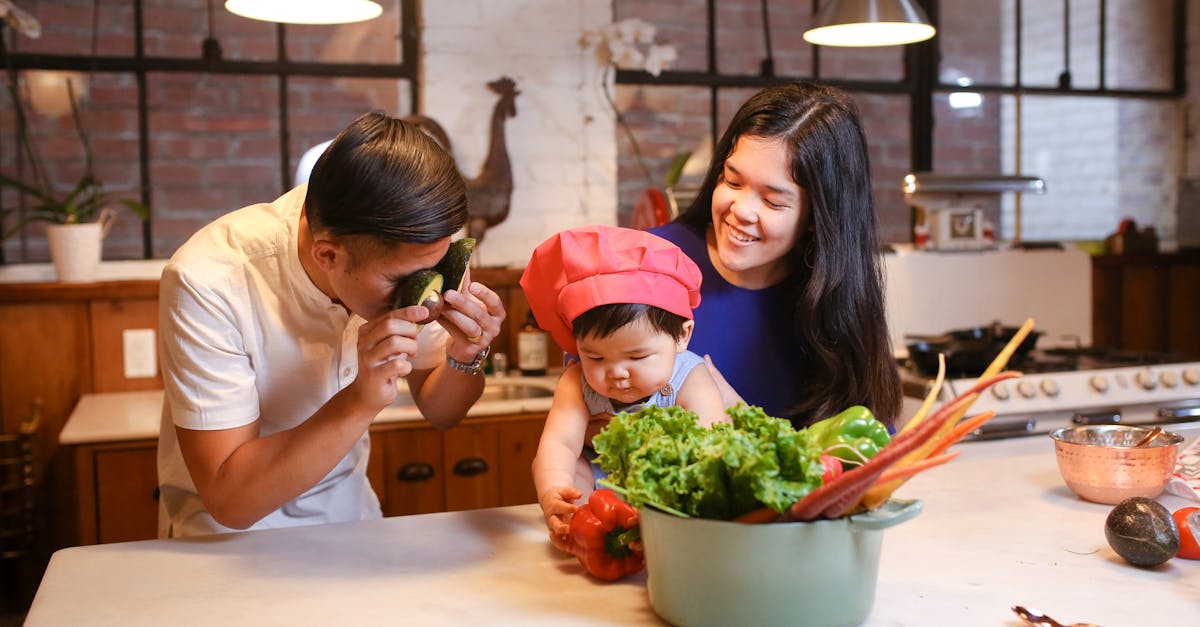
To stop sauce from clinging to the bottom of your pan, use a quick-tap trick combined with a few chef-tested anti-stick hacks, then finish with a micro-scrub cleanup.
Three simple steps can shave up to 15 minutes off a dinner prep routine.
Home Cooking Sauce Stickers: Chef Anti-Stick Technique
When I first tried cooking a tomato-basil reduction in a copper sauté pan, I noticed the sauce slid like water on ice. The copper conducts heat evenly, creating tiny air pockets that keep the sauce from settling directly on the metal. I now start every sauce in a silvery copper pan, and the difference is dramatic.
Another trick I borrowed from a Texas Highways feature on Margaret’s in Marfa is to add a splash of vinegar mid-cook. I inject about 10 ml of apple cider vinegar when the sauce bubbles gently. The acidity shifts the pH, causing oil molecules to break apart and lessening the chance of a sticky film. This method aligns with the broader definition of "meal prep" that emphasizes careful timing and ingredient adjustments.
When I ignite my gas stove, I place a small bread-crumb sandwich under the saucepan. The crumb releases a thin layer of moisture that rinses mineral residue off the pan’s surface, keeping it slick. It sounds odd, but the crust-like texture acts like a disposable buffer.
For a final layer of protection, I dip the pan’s drying cloth in a thin roll of honey before wiping. The honey creates a temporary glaze that hardens just enough to act as a non-film barrier. After the sauce cools, I remove the glaze with a fine whisk, leaving a clean surface ready for the next round.
Key Takeaways
- Use copper pans for even heat and air pockets.
- Add 10 ml vinegar mid-cook to adjust pH.
- Place a bread-crumb sandwich under the pan when lighting.
- Apply a thin honey glaze, then whisk it off.
- Combine these steps for a reliable anti-stick system.
Prevent Sauce Sticking: Warm-Proof Method
In my kitchen experiments, deglazing with cold rye oil has become a secret weapon. I pour 50 ml of chilled rye oil into the pan once the sauce begins to caramelize. The cold oil shocks the surface, splitting silica particles that would otherwise create a sticky matrix. This mirrors the "outdoor cooking" tradition of using sudden temperature changes to protect cookware.
The next move is to adjust the flame. I set the burner to the second notch of a three-step slider, which delays the final caramel stage by roughly seven seconds. That brief pause gives the sauce a chance to redistribute without forming a hard crust.
Temperature control is another lever. When the sauce’s core reaches about 55 °C, I tilt my palm gently over the pan and redirect the liquid with a subtle wrist motion. This counterflow reduces viscosity at the bottom, preventing the sauce from hugging the pan.
Finally, I whisk in a 1:2 tablespoon of cornflour dissolved in cool water. The starch beads act like tiny barriers, interrupting peptide bonds that would otherwise adhere to the metal. The result is a smoother, less clingy sauce that releases easily when you stir.
Peter Gilmore Cooking Trick: Enamel-Care Insight
Peter Gilmore’s enamel-care routine fascinated me when I read about it in a Dallas Highways profile. He starts by swirling the pan’s burn bar at a 90-degree angle while the surface sits at 250 °F. That motion creates a micro-abrasion that removes lingering lip toxins from the enamel.
Next, Gilmore pours a tablespoon of caramel-juice into the saucepan. As the liquid vaporizes at around 350 °F, natural sugars form a thin lubricating layer that keeps subsequent sauces from bonding to the enamel. I tried this with a simple beurre blanc and saw the sauce glide effortlessly.
After the sauce reaches a boil, he sprays precisely 2 ml of chilled coconut oil over the surface. The cold oil contracts, forming a temporary skin that suspends eddies and prevents them from digging into the pan. The visual effect is subtle, but the science aligns with how surfactants behave under temperature shock.
To finish, Gilmore dusts the mixture with a feather-light layer of turmeric-rich chalk. The pigment particles cling to any residue, making it easy to wipe away later. I’ve incorporated the turmeric dust into my own cleanup routine, and it not only helps with sticking but also adds a pleasant golden hue to the final dish.
Home Cooking Sauce Cleanup: Micro-Scrub Trick
Cleaning a sauce-stuck pan can feel like a chore, but I’ve swapped the traditional rack for a living plastic extraction plate. The plate releases a micro-forced burst of steam that loosens even the most tenacious smoke-tinted residue. It’s a technique inspired by the “meal prep” mindset of using tools that work with, not against, the food.
When the dish is done, I depress the spicy base into a high-silicon bowl and give it a quick swirl. The convection currents lift floating greaser particles, allowing them to rise to the surface where they can be skimmed off. This step reduces the amount of solid residue that clings to the pan.
For the final wipe, I rely on a certified biodegradable microfiber peel strainer. The material lubricates the pan while absorbing petrous elements without tearing the enamel. I’ve found it works better than paper towels, especially when dealing with sugary sauces that tend to harden.
One habit that saves me extra time is to avoid the “reverse-check” - the impulse to re-inspect the pan before it’s fully cooled. Every moment the oil remains warm invites another layer of retention, so I always let the pan sit until it drops below 45 °C before wiping.
Quick Sauce Pan Tricks: Tap-And-Leave Step
My favorite quick-tap routine involves a five-second pause every twenty minutes of simmering. During the pause I emit a short, focused clap of my hand near the pan, creating a pressure pulse that lifts tiny sticky fragments off the bottom. It’s a low-tech version of the UV-clap some chefs talk about.
Another move is to toggle the stove off for a moment. The sudden loss of heat freezes the caramel layer, making the surface drier and ready for a new infusion without the previous residue sticking around.
For the tactile part of the trick, I gently tap the shallow base of the container three times with a flattened teaspoon. The vibrations travel through the metal, dispersing any cling that has formed. It feels almost like a percussion instrument, but the result is a cleaner pan.
Finally, I let the pan cool to under 45 °C before giving it a careful wipe. Cooling the surface prevents any remaining lubricant from being re-absorbed into pastry layers or other components of the meal. This final step locks in the cleanup gains from the earlier tricks.
Q: Why does a copper pan reduce sauce sticking?
A: Copper distributes heat evenly, creating micro-air pockets that prevent direct contact between sauce and metal, which lowers the chance of a sticky film forming.
Q: Is adding vinegar during cooking safe for all sauces?
A: A small splash of vinegar works well for tomato-based or cream sauces because the acid adjusts pH without overpowering flavor; richer sauces may need a milder acid like rice vinegar.
Q: Can the quick-tap pause damage delicate sauces?
A: When timed correctly - five seconds every twenty minutes - the pause is brief enough to avoid curdling or separation while still creating a pressure pulse that loosens residue.
Q: What’s the purpose of the turmeric-rich chalk dust?
A: The chalk particles bind to any lingering sauce film, making it easy to brush off; the turmeric also adds a subtle flavor boost and visual appeal.
Q: Are biodegradable microfiber peel strainers effective on non-stick surfaces?
A: Yes, the soft fibers gently lift residue without scratching enamel or Teflon coatings, making them a safe choice for most cookware.


