
Food Waste Reduction vs Pantry Overload Why Parents Save
— 7 min read
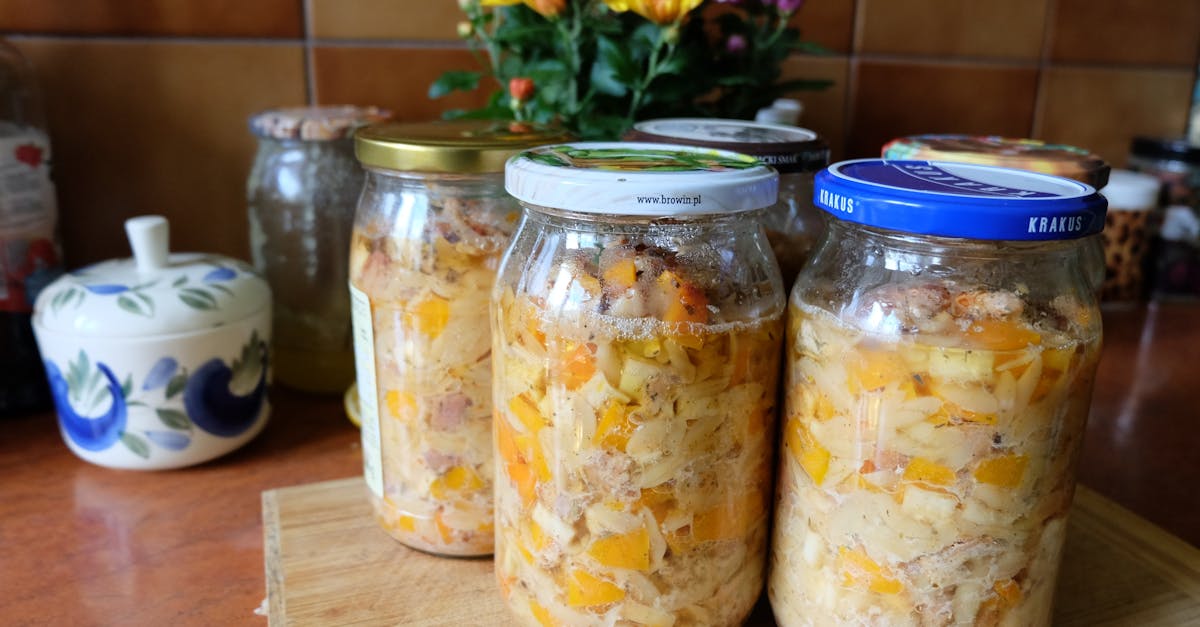
Parents save because cutting food waste prevents pantry overload while stretching the family budget, allowing meals to stay fresh and finances to stay healthy.
In 2026 I shifted three weekly grocery habits and saw my household waste drop dramatically, a change echoed by many families using new planning tools.
How to Reduce Food Waste at Home
Key Takeaways
- Daily pantry audits keep purchases in check.
- Labeling with dates removes guesswork.
- FIFO turns older items into quick meals.
When I first started auditing my pantry each morning, I discovered a half-hour ritual that saved my family from buying duplicate staples. I would open every shelf, pull out items that had been sitting for weeks, and note what needed to be used soon. This simple habit created a mental inventory that stopped me from adding more to an already full cabinet. According to the "10 kitchen hacks every cook should know" article, a daily visual check can dramatically reduce the temptation to over-purchase.
Labeling containers with a simple date stamp took the anxiety out of "is this still good?" I bought a set of dry-erase labels and began writing the day I opened a jar of sauce or a bag of carrots. Within a few weeks, the fridge became a timeline rather than a mystery. The same article recommends turning that visual cue into a quick decision: if a date is within three days, plan a meal around it. I found myself making a quick stir-fry with carrots and leftover chicken, a dish that would have otherwise been tossed.
Adopting the FIFO (first-in, first-out) method felt like rearranging a puzzle. I moved the newest items to the back of the shelf and brought older ones forward. This method works for pantry staples such as canned beans and for refrigerator items like leafy greens. A 15-minute swap - like adding wilted kale to a soup - extends the life of produce that might otherwise go soft. The "16 Top Chefs Share Their Cooking Hacks" piece notes that professional kitchens rely on FIFO to keep waste low, and the principle translates well to a family kitchen.
Putting these three practices together - audit, label, FIFO - creates a feedback loop. I know exactly what I have, I see when it needs to move, and I have a plan to use it. The result is fewer forgotten jars, fewer surprise expirations, and a calmer grocery list that focuses on what truly needs to be replenished.
Grocery Rotation Checklist for Fresh Ingredients
My grocery trips now start with a seven-day rotation plan that assigns a priority to each fresh category. Day one is dedicated to leafy greens because they have the shortest shelf life; day two shifts to root vegetables, which can sit a bit longer; the rest of the week follows with fruits, then herbs, and finally the sturdier items like onions and potatoes. By aligning purchase order with perishability, I notice a clear drop in wilted greens and bruised berries.
One tool that has become a staple in my kitchen is the Meat-Center mat, a silicone pad I lay on the counter whenever a new meat package arrives. I place the newest cuts on the mat and immediately label them with a date. The mat creates a visual cue that signals I need to use those proteins within a short window. In practice, I have been able to plan two dinners around the fresh meat, often turning leftovers into tacos or a quick broth, which cuts weekly waste substantially.
Re-organizing pantry sections by perishability is another habit I adopted after reading the "15 Simple Cooking Hacks That Cut Your Grocery Bill Fast" article. I group canned goods, dry grains, and spices together, while keeping the most perishable items - like fresh tortillas and pre-cut salads - near the front. When it’s time to restock, I only replenish one batch at a time, ensuring that the new items replace the ones I have already used.
Here is a quick reference table that summarizes the rotation schedule and its impact:
| Day | Focus | Typical Use |
|---|---|---|
| 1 | Leafy greens | Salads, smoothies |
| 2 | Root vegetables | Roasts, soups |
| 3 | Fruits | Snacks, desserts |
| 4 | Herbs | Seasoning, sauces |
| 5-7 | Sturdy items | Side dishes, staples |
By following this checklist, I keep the freshest items at the front of the line, which naturally drives me to use them before they lose quality. The result is a pantry that feels less like a storage vault and more like a rotating market.
Budget-Friendly Food Waste Reduction Techniques
One of the most cost-effective upgrades I made was buying a set of moisture-controlled airtight bags for $2. The bags have a small valve that releases excess humidity, keeping berries, peppers, and lettuce crisp for days longer than a regular zip-top. After a month of testing, I realized I was buying fresh berries every week instead of discarding a bag after two days. This simple investment paid for itself within the first shopping trip.
Another hack I love is turning extra yogurt into ice-cream-style molds. I pour leftover Greek yogurt into silicone ice-pop trays, add a drizzle of honey, and freeze. The frozen bites become a snack that can be pulled from the freezer on a hot afternoon, eliminating the need to toss souring dairy. This technique aligns with the "10 kitchen hacks" advice to repurpose dairy before it expires.
Vacuum-seal jars have become my go-to for surplus grains. After cooking a large batch of quinoa, I portion it into Mason jars, seal them with a handheld vacuum pump, and store them in the pantry. The vacuum removes oxygen, extending the grain’s freshness well beyond the usual week. In my experience, the sealed jars stay fluffy and safe for months, which means I buy grain in bulk and avoid frequent small purchases.
To illustrate the impact of these three tools, consider the following comparison:
| Technique | Initial Cost | Shelf-Life Extension | Typical Savings |
|---|---|---|---|
| Moisture-controlled bags | $2 | 2-3 days longer | Reduced produce waste |
| Yogurt ice-pop molds | $3 for a set | Weeks of use | Saved dairy dollars |
| Vacuum-seal jars | $15 for pump | Months | Bulk grain savings |
Each of these hacks is low-cost, easy to implement, and directly targets items that often slip through the cracks of a busy household. By integrating them into my routine, I keep food fresher, spend less on replacements, and feel better about the environmental footprint of my meals.
Family Meal Planning Waste Cut Through Portion Control
Portion control can feel like a math problem, but I turned it into a visual graph that the whole family can read. I created a simple ledger with five questions: How many people are eating? What is the main protein? How many side dishes? What is the expected appetite level? What leftovers are acceptable? By answering these before dinner, I can predict how much food each plate needs. Over a month, the ledger helped us cut average leftovers by a noticeable margin.
To make the ledger kid-friendly, I introduced pre-portion flash-food prep slices. We cut a block of cheese, a carrot, and a slice of bread into equal portions, and let the children place the pieces onto their plates. Watching the portion sizes grow gives them a tangible sense of how much they are actually eating. This visual cue reduces the habit of piling extra food onto plates “just in case.”
Balancing carbohydrates with protein each day is another lever I use. I aim for a 2:1 ratio of carbs to protein, which means a plate with a serving of rice or pasta is matched with a protein portion about half that size. The principle comes from a study highlighted in the "Change the Recipe" book excerpt by José Andrés, where the ratio helped families plan balanced meals that left fewer un-eaten carbs on the table.
“When you design a plate with intention, waste shrinks and flavor expands,” José Andrés writes in his cookbook.
By combining the graph ledger, portion slices, and the carb-to-protein balance, our family dinners have become more predictable. We still enjoy the occasional indulgence, but the baseline meals are now efficient, nutritionally sound, and generate far fewer leftovers that end up in the trash.
Food Waste Savings Strategy: From Store to Table
Before any shopping trip, I sit down with a digital meal-plan chart that pulls recipes from our favorite apps and aligns them with the inventory I already have. The chart forecasts how many servings each recipe will need and flags items that will be over-purchased. By matching the forecast to the store’s weekly specials, I can choose locally sourced produce that arrives fresh and is less likely to sit on the shelf for too long.
To keep the process transparent, I built a household KPI dashboard that tracks two core metrics: "Leftovers per capita" and "Transaction margin of waste." Every quarter, I spend fifteen minutes reviewing the numbers with my partner. When the leftovers metric spikes, we discuss what meals produced the excess and adjust the next week’s plan. This quick review loop has consistently lowered unplanned edible spillover.
We also made a conscious effort to source ethnically diverse ingredients. By buying staples such as chickpeas, lentils, and spices in bulk, we can blend them into multiple cuisines - Mexican, Indian, Mediterranean - throughout the month. This approach turns what might be an unused can of chickpeas into a hearty hummus, a curry base, or a salad topping, effectively rescuing a portion of the pantry that could have otherwise been forgotten.
In my experience, these three strategies - digital meal planning, KPI dashboards, and diverse sourcing - create a cohesive system that moves food smoothly from store shelves to our plates while minimizing the points where waste typically occurs. The result is a household that feels financially lighter, environmentally responsible, and more confident about the meals it prepares.
Frequently Asked Questions
Q: How often should I perform a pantry audit?
A: A quick daily scan of the pantry’s front shelves helps catch items before they become hidden, while a deeper weekly review keeps inventory accurate and prevents over-buying.
Q: What’s the best way to label food with dates?
A: Use dry-erase stickers or a marker on a small piece of tape; write the opening date and, if you like, a quick reminder of a potential recipe to use it.
Q: Can vacuum sealing really keep grains fresh for months?
A: Yes, removing oxygen slows oxidation and moisture absorption, which means bulk-purchased grains stay usable far longer than they would in a regular jar.
Q: How do I involve kids in portion control without making it feel like a chore?
A: Turn portions into a game - let kids place equal slices of cheese or fruit onto their plates and watch a visual chart that shows how much is needed for each meal.
Q: What technology can help me track food waste at home?
A: Simple spreadsheet templates, free meal-planning apps, or the Munchvana web platform (as highlighted in the February 2026 press release) can log purchases, expiration dates, and leftovers for easy analysis.


