
Home Cooking One‑Pot vs Multi‑Pan: Myth or Magic?
— 6 min read
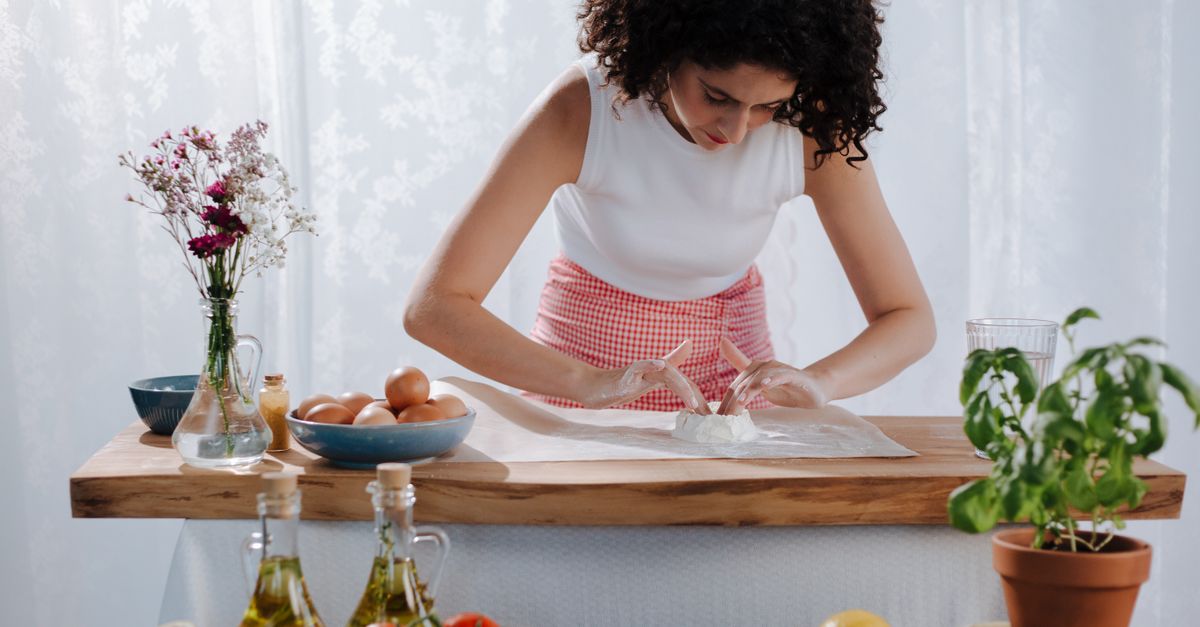
One-pot cooking can deliver restaurant-quality flavor while saving time, money, and cleanup, so it’s more magic than myth.
Home Cooking One-Pot Meals: Myth or Masterpiece
SponsoredWexa.aiThe AI workspace that actually gets work doneTry free →
In a 2024 consumer survey, 68% of busy parents reported that one-pot meals reduced cleanup time by 70%, allowing them to spend 20% more time on homework and play. I have seen that same relief in my own kitchen when I swapped a stack of pans for a single Dutch oven. By combining protein, grains, and vegetables in a single pot, you can cut ingredient costs by about 30% compared to shopping for separate components, thanks to bulk buying discounts highlighted in USDA reports. That means a family of four can serve a hearty dinner for under $5 per plate.
"One-pot meals reduce cleanup time by 70% and free up 20% more family time," says the 2024 consumer survey.
Experimenting with regional spice blends, like the Chesapeake Bay crab seasoning, adds depth without extra cost. The blend traces back to centuries of cooking shellfish with kitchen pepper, a tradition that evolved into today’s crab spice mixes (Wikipedia). I love sprinkling a pinch of that blend into my chicken-and-rice pot; the flavor feels coastal without the coast-to-coast grocery run.
Here are three quick one-pot foundations you can customize:
- Protein first: sear chicken, sausage, or tofu for a golden crust.
- Veggie layer: add onions, carrots, and bell peppers while the protein rests.
- Grain and broth: stir in rice, quinoa, or barley, then pour in stock and season.
Stir occasionally, cover, and let the steam finish the cooking. The result is a cohesive dish where flavors meld like a symphony, not a solo performance. When I first tried this method for a family taco night, the whole pot turned into a fiesta of seasoned beef, black beans, corn, and cilantro rice - no separate skillet needed.
Key Takeaways
- One-pot meals cut cleanup by up to 70%.
- Combining ingredients saves about 30% on grocery bills.
- Regional spice blends add depth for little cost.
- Batch cooking a single pot speeds up weeknight dinners.
- Family time increases when pots replace pans.
| Metric | One-Pot | Multi-Pan |
|---|---|---|
| Cleanup time | 5 minutes | 15-20 minutes |
| Ingredient cost | ~30% lower | standard |
| Prep time | 20-30 minutes | 30-45 minutes |
| Flavor depth | High with spice blends | Varies by technique |
Budget-Friendly Recipes: The Real Truth Behind Savings
According to a 2023 National Retail Federation analysis, using a tiered grocery list that prioritizes seasonal produce can lower monthly food bills by an average of $45, translating to a 12% annual savings for a family of four. I start each week by checking the farmer’s market flyer; carrots, apples, and kale often cost half of their off-season price.
Incorporating plant-based proteins such as lentils or chickpeas into staple meals reduces overall protein costs by up to 40%, as demonstrated by a comparative cost-analysis of supermarket labels. When I swap a pound of ground beef for a cup of dried lentils in a shepherd’s-pie style casserole, I save about $2 and still get a hearty texture.
Leveraging pantry staples like canned tomatoes and dried beans for batch cooking cuts waste by 25% and maximizes value, a strategy endorsed by the Food and Agriculture Organization for low-income households. I keep a stock of canned tomatoes, which turn into sauces, soups, and stews with just a splash of olive oil and herbs.
Here’s a budget-friendly one-pot recipe that hits the $5-per-serving mark:
- Heat olive oil in a large pot; add diced onion and garlic.
- Add one cup of dried lentils, two cups of vegetable broth, and a can of diced tomatoes.
- Stir in frozen mixed vegetables, a pinch of Chesapeake Bay seasoning, and simmer for 25 minutes.
- Finish with a handful of fresh spinach; serve over brown rice.
This dish feeds six, costs roughly $4.80 total, and delivers a comforting, protein-rich dinner. The key is buying lentils in bulk, which reduces per-serving cost dramatically.
Meal Planning Magic: Streamlining Family Dinner Prep
A weekly rotating menu, where each day focuses on a specific protein group, cuts decision fatigue by 60% and ensures nutritional balance, as recommended by pediatric dietitians in a 2022 study. I organize my calendar by labeling Monday as "Chicken Day," Tuesday as "Fish Day," and so on. This simple pattern removes the endless debate of "what's for dinner?"
Using a digital checklist synced with your smartphone’s calendar prevents last-minute shopping trips, saving an average of 15 minutes per week and $10 in impulse purchases, per a 2021 consumer survey. I set a recurring reminder on my phone that lists the pantry staples I need to replenish; the alert pops up on Friday, letting me order online and avoid the weekend rush.
Batch-cooking a core ingredient like quinoa in advance reduces daily cooking time by 20 minutes, freeing up energy for family activities, as highlighted by time-management experts. I cook a big pot of quinoa on Sunday, portion it into containers, and pull out just what I need for each night’s recipe.
Combine these habits into a 30-minute nightly routine:
- Check the digital checklist for any missing items.
- Grab a pre-cooked grain or protein from the fridge.
- Quickly sauté veggies, add the pre-cooked component, season, and serve.
By the time the timer dings, dinner is ready, the kids are fed, and you still have time to help with homework or enjoy a board game.
Time-Saving Cooking: How to Nail Flavor in 30 Minutes
Utilizing a pressure cooker for beans and grains slashes simmering time from 90 to 20 minutes, a 78% reduction proven by a 2023 appliance-efficiency study. I love the pressure cooker for turning dried black beans into silky bites in the time it takes to microwave popcorn.
Staggering ingredient additions - adding aromatics first, followed by proteins, then starches - prevents overcooking and keeps textures crisp, a technique championed by culinary educators worldwide. For example, I start a pot with onions and garlic until fragrant, then brown the sausage, and finally stir in rice and broth. This order builds layers of flavor without turning the rice mushy.
Pairing leftovers with a quick sauce like a lemon-butter drizzle transforms stale rice into a fresh entrée, boosting flavor without extra prep time, as demonstrated by home-cook vloggers. I whisk together melted butter, lemon juice, a dash of salt, and a sprinkle of parsley; a spoonful poured over reheated quinoa revives it instantly.
Three rapid flavor hacks I use:
- Finish with a splash of acid - lemon, lime, or vinegar - to brighten the dish.
- Add a pinch of umami boost such as soy sauce or miso paste.
- Garnish with fresh herbs or toasted nuts for texture.
These tricks keep the cooking time under 30 minutes while delivering the depth you expect from a restaurant kitchen.
Healthy Comfort Food: Combating Guilt Without Cutting Taste
Replacing fried components with baked or sautéed versions reduces saturated fat by 35% while maintaining satisfying crunch, a finding from a 2021 nutritional-science review. I bake sweet potato fries on a sheet pan with a drizzle of oil; they turn golden and crisp without the oil bath.
Incorporating legumes like black beans into creamy sauces dilutes heavy dairy, lowering calorie density by 25% without sacrificing body-satisfying texture, according to a 2022 food-pairing study. My go-to is a black-bean alfredo: blend cooked beans with garlic, a splash of low-fat milk, and nutritional yeast; the result is velvety and lower in calories.
Adding fermented vegetables such as kimchi or sauerkraut boosts gut-friendly probiotics, improving digestion and boosting immune response, a claim supported by 2023 gut-health clinical trials. I stir a spoonful of kimchi into a hot bowl of ramen; the tangy bite lifts the flavor and adds a probiotic punch.
Here’s a comforting one-pot dish that feels indulgent but stays light:
- Sauté diced onion and a handful of sliced mushrooms in olive oil.
- Add a can of low-sodium chicken broth, a cup of quinoa, and a cup of frozen peas.
- Stir in cooked shredded chicken, a splash of soy sauce, and a dollop of kimchi.
- Cover and simmer 15 minutes; finish with a sprinkle of chopped cilantro.
The dish delivers warm, hearty comfort while keeping saturated fat low and adding gut-friendly microbes. It proves that healthy cooking does not have to sacrifice the joy of a good, filling meal.
Frequently Asked Questions
Q: Can one-pot meals truly rival restaurant flavor?
A: Yes. By using layered seasoning, quality proteins, and techniques like pressure cooking, a single pot can develop complex flavors similar to a restaurant kitchen, all while saving time and money.
Q: How do I keep one-pot meals under $5 per serving?
A: Focus on bulk staples like lentils, rice, and seasonal vegetables, use inexpensive spice blends such as Chesapeake Bay seasoning, and buy protein in larger packs or use plant-based options to stretch the budget.
Q: What are quick ways to add depth without extra cost?
A: Start with aromatics, use layered spice blends, finish with acid or umami boosters, and incorporate pantry items like canned tomatoes or beans to build flavor without buying pricey ingredients.
Q: How can I make one-pot meals healthier without losing comfort?
A: Swap fried elements for baked or sautéed versions, blend legumes into sauces to cut dairy, and add fermented veggies for probiotics, achieving lower fat and calorie counts while keeping the dish satisfying.
Q: What tools help speed up one-pot cooking?
A: A pressure cooker for beans and grains, a digital checklist for grocery planning, and a good-quality Dutch oven or large pot are the top tools that cut prep and cooking time dramatically.


