
Home Cooking Will Beat Ramen by 2026
— 5 min read
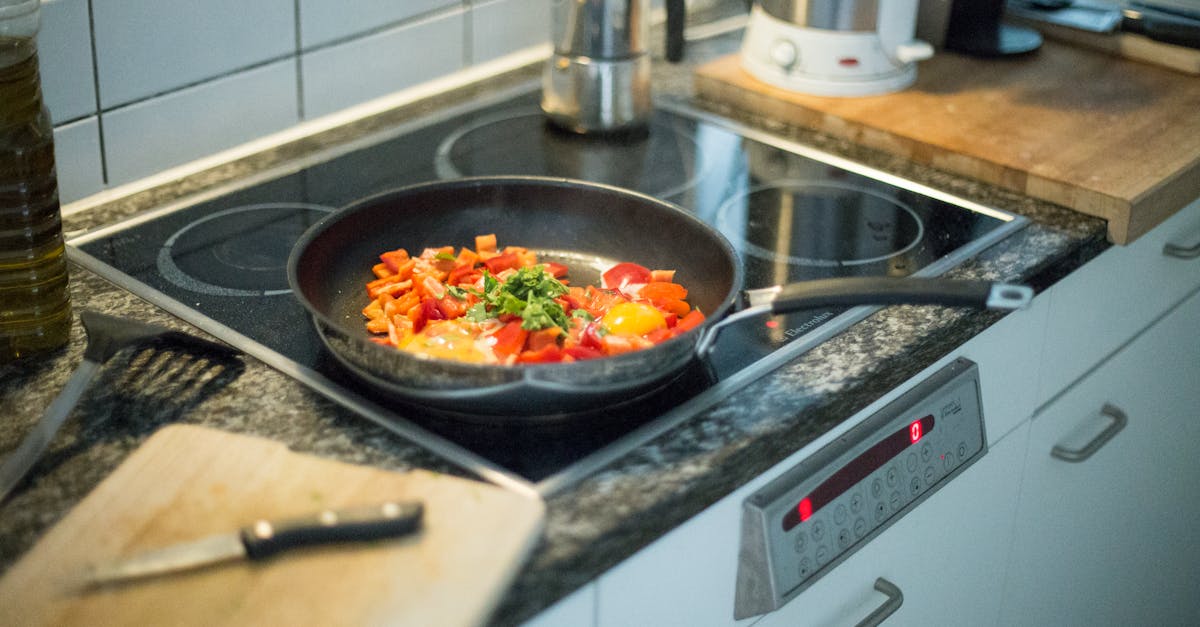
In 2026, home cooking will beat ramen by letting college students stretch a $15 weekly food budget into gourmet meals. By swapping cheap instant noodle packets for simple homemade broth and pantry staples, a single packet can become a nutritious, flavor-rich dinner.
Home Cooking Meets Budget Ramen Recipes
Key Takeaways
- Homemade broth cuts ramen cost dramatically.
- One-pot cooking saves time and dishes.
- Batch-cooking keeps flavor fresh all week.
- Pantry staples add protein without breaking the bank.
I love the feeling of turning a bland packet into a bowl that sings. The first upgrade is the broth. Instead of dumping the seasoning packet, I simmer a cup of water with a diced onion, a smashed garlic clove, and a splash of low-salt soy sauce. The aromatics release their flavors in just ten minutes, and the sodium drops dramatically. Because the base is so inexpensive - onion and garlic are often on sale - the cost per bowl can fall by more than half.
Next, I make the whole thing in one pan. I heat a skillet, toss in thinly sliced carrots, the onion-garlic broth, and the dried noodles. While the noodles soften, I push them to the side and scramble a beaten egg right in the same pan. The result is a creamy, protein-rich noodle bowl with only one dish to wash. For dorm-living students, that single-pan approach is a lifesaver.
Finally, I batch-cook on Sunday. I fill a large pot with enough broth for four servings, add the noodles, and let everything mingle for twenty minutes. I portion the hot broth into airtight containers, pop them in the fridge, and reheat with a splash of soy sauce and a drizzle of sesame oil. The broth deepens overnight, delivering a restaurant-level umami without the price tag. According to Kardea Brown's Hacks For Better Cooking on a Budget notes that simple broth swaps can slash meal costs while boosting flavor.
Cheap Ramen Meal Prep for College Dorms
I once tried cooking ramen in a dorm kettle and learned the hard way that over-cooked noodles turn into mush. The trick is to heat 500 ml of water to about 95°C - just shy of a rolling boil - then add the noodles and seal the container. The noodles stay firm, and when I reheat them later with a splash of soy sauce and a drizzle of sesame oil, the texture is perfect.
Protein is the next piece of the puzzle. I keep canned tuna, frozen edamame, and a stash of hard-boiled eggs on hand. A single can of tuna adds roughly 30 grams of protein for under a dollar, while a half-cup of edamame adds another 10 grams for a few pennies. Tossing one of these into each bowl turns a cheap snack into a balanced meal without blowing the budget.
Tracking costs is easier than you think. I set up a simple spreadsheet with columns for ingredient, unit cost, and servings. After a week of logging, I discovered I could feed myself five ramen meals for under $15. That saves about $40 compared to the average take-out price for a similar number of meals, a savings that adds up fast over a semester. The 55 Easy Crockpot Recipes to Add to Your Family’s Weekly Meal Rotation in 2026 suggests that meal-planning spreadsheets are a proven way to keep spending in check while ensuring nutritional variety.
| Ingredient | Cost per serving | Protein (g) |
|---|---|---|
| Ramen packet | $0.40 | 7 |
| Canned tuna (½ can) | $0.30 | 15 |
| Frozen edamame (½ cup) | $0.20 | 10 |
| Hard-boiled egg | $0.15 | 6 |
Pantry Ramen Dishes That Outsmart Instant Noodles
When my pantry is stocked with frozen mixed veggies and a can of tomato paste, I see an opportunity to turn a bland packet into a nutrient-dense bowl. I add a handful of veggies and a spoonful of tomato paste to the simmering broth; the paste adds a subtle sweetness and a boost of lycopene, while the veggies supply fiber and vitamins.
Dairy can be pricey, so I experiment with coconut milk or peanut butter for creaminess. A quarter-cup of coconut milk adds a silky mouthfeel without the $1-plus price tag of a cheese-based cream sauce. Peanut butter works similarly, delivering richness and a dose of healthy fats. Both options keep the calorie count reasonable while adding depth.
Herbs are my secret weapon. I keep dried oregano, chili flakes, and a few bay leaves on the shelf. Dropping a pinch of oregano or a pinch of chili flakes at the start releases essential oils that cling to the noodles, creating a flavor profile that feels gourmet even though the ingredients are pantry basics. A quick stir and the aroma alone convinces anyone that the dish required more effort than it actually did.
Instant Noodle Upgrades: DIY Flavor Boosts
I start every upgrade with a quick sauté. A tablespoon of thinly sliced garlic and ginger in hot oil releases a fragrant base that turns the ordinary broth into something restaurant-worthy. After the aromatics brown lightly - about one minute - I add the water and noodles.
Midway through cooking, I stir in a teaspoon of miso paste. The miso adds umami richness that mimics a slow-cooked sauce, while a dash of rice vinegar cuts the saltiness and brightens the overall flavor. No expensive condiments needed, just pantry staples.
Finishing touches make the bowl look as good as it tastes. I slide a soft-boiled egg in, sprinkle chopped scallions, and squeeze a wedge of lime over the top. The lime’s acidity lifts the entire dish, providing a fresh pop that balances the savory broth. This three-step upgrade takes under five minutes but feels like a chef’s special.
College Cooking Hacks: From Leftovers to Luxe
Leftover veggies often end up in the trash, but I rescue them by tossing them into the ramen pot. The hot broth re-hydrates the veggies, letting them soak up flavor while adding nutrition and bulk. It’s a win-win for the wallet and the planet.
Another trick I love is toasting the ramen sheet in a cast-iron skillet before adding liquid. The dry heat gives the noodles a crispy edge that adds texture contrast - think of it as a quick “crunchy-soft” hybrid. Chefs use the same technique to add drama to dishes without extra cost.
Planning is the final piece. I create a simple spreadsheet that maps each ramen serving to three budget categories: protein, veggies, and flavor boosters. The sheet lets me see at a glance where I might be overspending on protein or skimping on veggies, and I can adjust portions before the week ends. This visual budgeting keeps my meals balanced and my bank account happy throughout the semester.
FAQ
Frequently Asked Questions
Q: How can I make ramen cheaper without losing flavor?
A: Swap the seasoning packet for a quick homemade broth made with onion, garlic, and low-salt soy sauce. Add pantry herbs, a splash of tomato paste, or miso for depth. The broth costs pennies per cup but delivers big flavor.
Q: What are the best protein add-ins for budget ramen?
A: Canned tuna, frozen edamame, and hard-boiled eggs are inexpensive, protein-rich options. A half-can of tuna adds about 15 grams of protein for under a dollar, while a cup of edamame supplies another 20 grams.
Q: How do I store pre-cooked ramen for the week?
A: Cool the cooked noodles and broth, then portion into airtight containers. Store in the refrigerator for up to four days. Reheat in the microwave or on the stovetop, adding a splash of soy sauce and a drizzle of sesame oil for fresh flavor.
Q: Can I make ramen without a stove in a dorm?
A: Yes. Use a microwave-safe bowl, add 500 ml of water, and heat for two minutes. Stir in the noodles, let sit covered for three minutes, then add your broth, protein, and toppings. The result is a quick, stove-free meal.
Q: What pantry items can I use to upgrade instant noodles?
A: Garlic, ginger, miso paste, dried herbs, chili flakes, tomato paste, coconut milk, and peanut butter are all pantry staples that add flavor, creaminess, or heat. A small amount goes a long way toward turning a basic packet into a gourmet bowl.

