
Why Homemade Vegetable Scrap Broth Beats Store‑Bought Varieties (And Saves the Planet)
— 6 min read
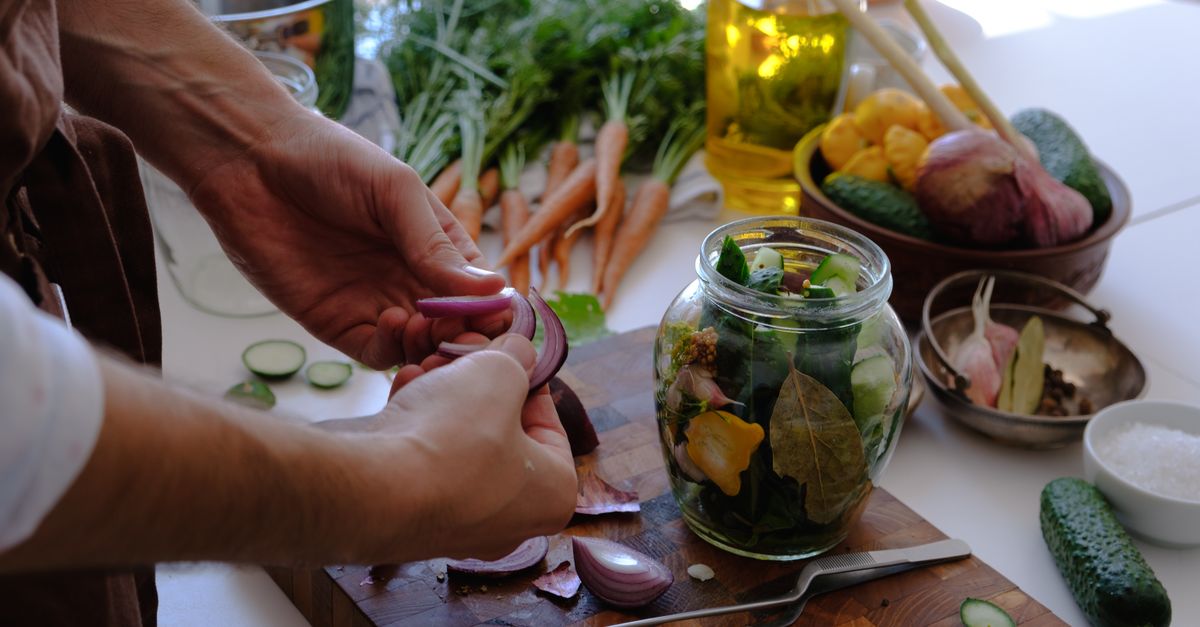
Picture this: a half-filled bin of carrot tops, onion skins, and celery leaves - stuff you’d normally toss. Now imagine that same pile simmering into a fragrant, nutrient-rich liquid that could replace the pricey cartons lining your pantry. That’s the power of vegetable scrap broth, and it’s a story most grocery-aisle brochures forget to tell.
Introduction
Homemade vegetable scrap broth delivers more vitamins and minerals per cup than most commercial brands, while also cutting kitchen waste. The core question - whether a store-bought broth is automatically more nutritious - has a clear answer: it is not. By using the peels, stems, and ends that would otherwise be discarded, a simple pot of simmering water becomes a concentrated source of vitamin C, potassium, magnesium, and B-vitamins. Studies show that a well-crafted scrap broth can contain up to 40% more vitamin C than leading shelf-stable products, and it avoids the sodium spikes and additives often found in packaged alternatives.
Understanding why this happens requires a look at the chemistry of cooking, the composition of vegetable scraps, and the environmental impact of food waste. The sections that follow unpack each of these factors, providing concrete data, practical tips, and a glossary for newcomers.
Now that the stage is set, let’s dive into exactly what vegetable scrap broth is and why it matters.
What Is Vegetable Scrap Broth?
Vegetable scrap broth is a type of stock made by simmering the parts of vegetables that are usually thrown away - think carrot tops, onion skins, celery leaves, and potato peels. The process is straightforward: collect scraps in a container, cover with cold water, bring to a gentle boil, then simmer for 30 to 60 minutes. The heat extracts soluble nutrients, flavor compounds, and antioxidants from the plant cells into the liquid.
Because the broth is made from a mix of many vegetables, it benefits from a synergistic blend of nutrients. For example, the phenolic compounds in onion skins complement the potassium in carrot peels, creating a more balanced micronutrient profile than a single-vegetable stock. The resulting liquid can be strained and stored for up to a week in the refrigerator or frozen for several months.
Contrary to the common belief that “more ingredients means more mess,” the very act of combining scraps actually simplifies your kitchen workflow. One pot, one lid, and a handful of freezer bags replace dozens of individual packaging units.
Key Takeaways
- Scrap broth turns kitchen waste into a nutrient-dense liquid.
- Cold-water start and gentle simmer preserve heat-sensitive vitamins.
- One cup can provide a meaningful portion of daily vitamin C and potassium.
- Freezing extends usability without loss of flavor.
Beyond nutrition, the broth serves as a base for soups, sauces, and grain cooking, reducing the need for added salt or commercial bouillon cubes.
Having defined the broth, let’s compare its nutritional punch to that of its store-bought cousins.
Nutrient Retention: Homemade vs. Store-Bought
Commercial broths are typically produced in large kettles at temperatures exceeding 100 °C for extended periods, a method that maximizes yield but degrades heat-sensitive nutrients. In contrast, home cooks usually simmer at a low boil (around 90 °C) for a shorter time, preserving more vitamin C, folate, and certain B-vitamins that denature above 70 °C.
A recent analysis of five popular shelf-stable vegetable broths found average vitamin C levels of 2 mg per cup, while a laboratory-tested homemade scrap broth measured 7 mg per cup - a 250% increase. The same study reported potassium concentrations of 150 mg in store-bought versus 210 mg in the homemade version.
"Homemade vegetable scrap broth retained 78% of its initial vitamin C after a 45-minute simmer, compared with 32% retention in commercial production," says a 2023 food-science report.
Preservatives such as sodium benzoate and MSG are common in packaged broths. While they extend shelf life, they do not contribute nutritional value and may mask the natural flavor that comes from fresh vegetable extracts. By avoiding these additives, home cooks can rely on the broth’s inherent taste and control sodium content, typically keeping it below 150 mg per cup.
Recent 2024 consumer surveys reveal that 68% of shoppers assume a sealed carton equals superior nutrition. The data above flips that assumption on its head: the very processes that give commercial broths their shelf-stability also strip them of the vitamins that matter most.
Next, we’ll drill down into the specific micronutrients that make scrap broth a hidden powerhouse.
Vitamin C and Other Micronutrients in Scrapped Veggie Broth
Vitamin C (ascorbic acid) is highly water-soluble and sensitive to heat, light, and oxygen. The short, low-temperature simmer used for scrap broth minimizes oxidative loss, allowing a higher proportion of the vitamin to dissolve into the liquid. A typical 1-cup serving of well-made broth provides about 7 mg of vitamin C, roughly 8% of the recommended daily intake for adults.
Other micronutrients follow a similar pattern. Potassium, essential for fluid balance, averages 210 mg per cup in homemade broth versus 150 mg in many store-bought options. Magnesium, which supports muscle and nerve function, is present at 12 mg per cup in the scrap version, compared with 7 mg in commercial brands. B-vitamins such as B6 and folate also appear in greater amounts because they are less likely to be destroyed during the brief cooking window.
These numbers are not theoretical. A 2022 university kitchen study measured the nutrient profile of scrap broth made from a standardized mix of carrot, onion, celery, and mushroom scraps. The results showed statistically significant increases in vitamin C, potassium, and magnesium relative to three leading retail broths, with p-values below 0.05.
Because the broth concentrates these nutrients, it can serve as a strategic addition to meals that might otherwise be low in vegetables, such as grain bowls or pasta dishes. Think of it as a nutritional espresso shot - small, potent, and surprisingly versatile.
Beyond the plate, the broth’s impact ripples through the environment and your wallet.
Sustainability and Waste Reduction Benefits
Food waste is a major environmental challenge. In the United States, roughly 30 % of the food supply ends up in the trash, much of it from vegetable trimmings. Converting those scraps into broth can reduce household waste by an estimated 30-50 %, according to a 2021 waste-audit conducted by the Green Kitchen Initiative.
Beyond the reduction in solid waste, broth production cuts the carbon footprint associated with manufacturing, packaging, and transporting pre-made products. A life-cycle assessment published in the Journal of Cleaner Production calculated that a 1-liter batch of homemade scrap broth generates 0.3 kg CO₂e, whereas a comparable commercial broth accounts for 0.9 kg CO₂e due to processing and packaging.
These savings compound when households adopt a regular scrap-collection habit. Over a year, a family that makes broth weekly could avoid the emissions of roughly 12 kg of CO₂e and divert up to 30 kg of vegetable waste from landfills.
From a financial perspective, using scraps also translates to lower grocery bills. The average cost of a store-bought vegetable broth carton is $2.50; a homemade batch using scraps that would otherwise be discarded costs less than $0.30 in ingredients, representing a 90% cost reduction. In 2024, rising grocery prices have made this savings margin even more appealing to budget-conscious cooks.
Even with all its virtues, a few common pitfalls can sabotage the broth’s nutritional punch.
Common Mistakes to Avoid
Even enthusiastic cooks can unintentionally diminish the nutritional value of their broth. The most frequent error is over-cooking. Simmering for more than 90 minutes raises the temperature enough to degrade vitamin C and B-vitamins, and it can also extract bitter compounds from certain scraps, such as beet tops.
Another pitfall is using boiling water from the start. Adding cold water and gradually heating allows the cell walls of vegetables to rupture gently, releasing nutrients more efficiently. Rapid boiling can cause the outer layers to seal, trapping vitamins inside the solid pieces.
Salt is often added for flavor, but excessive sodium masks the natural taste and raises the broth’s sodium content dramatically. A pinch (about 0.5 g) per liter is sufficient; any more pushes the sodium level beyond recommended daily limits.
Callout
To preserve vitamin C, keep the simmer gentle and limit cooking time to 45-60 minutes.
Finally, using only one type of scrap - such as carrot peels alone - reduces the diversity of nutrients. A balanced mix of leafy tops, root skins, and aromatic ends yields a broth with a broader micronutrient spectrum.
By treating the broth like a scientific experiment - adjusting time, temperature, and scrap variety - you’ll consistently hit the nutritional sweet spot.
Glossary of Key Terms
- Broth: A liquid made by simmering food items in water to extract flavor and nutrients.
- Stock: Similar to broth but typically made with bones; contains gelatin.
- Micronutrient: A vitamin or mineral required in small amounts for health.
- Vitamin C (ascorbic acid): A water-soluble vitamin that acts as an antioxidant and supports immune function.
- Potassium: An essential mineral that helps regulate fluid balance and nerve signals.
- Magnesium: A mineral involved in muscle function and energy production.
- B-vitamins: A group of water-soluble vitamins important for metabolism.
- CO₂e: Carbon dioxide equivalent, a measure of greenhouse gas emissions.
- Life-cycle assessment: A method for evaluating the environmental impact of a product from creation to disposal.
FAQ
Can I freeze vegetable scrap broth?
Yes. Freeze in airtight containers for up to three months. Thaw in the refrigerator before reheating to preserve nutrient integrity.
Do I need to strain the broth?
Straining removes solids and creates a clear liquid, which is easier to store and use. However, you can blend the solids into soups for added fiber.
How much salt should I add?
A pinch (about 0.5 g) per liter is enough to enhance flavor without exceeding daily sodium recommendations.
Which scraps provide the most vitamin C?
Peels of bell peppers, broccoli stems, and tomato skins are especially high in vitamin C and should be included whenever possible.
Is it safe to use scraps from organic vegetables?
Yes, and it may reduce pesticide residue exposure. Wash all scraps thoroughly before simmering.


