
How to Eat All Day on $5: One‑Pot Strategies for College Students
— 9 min read
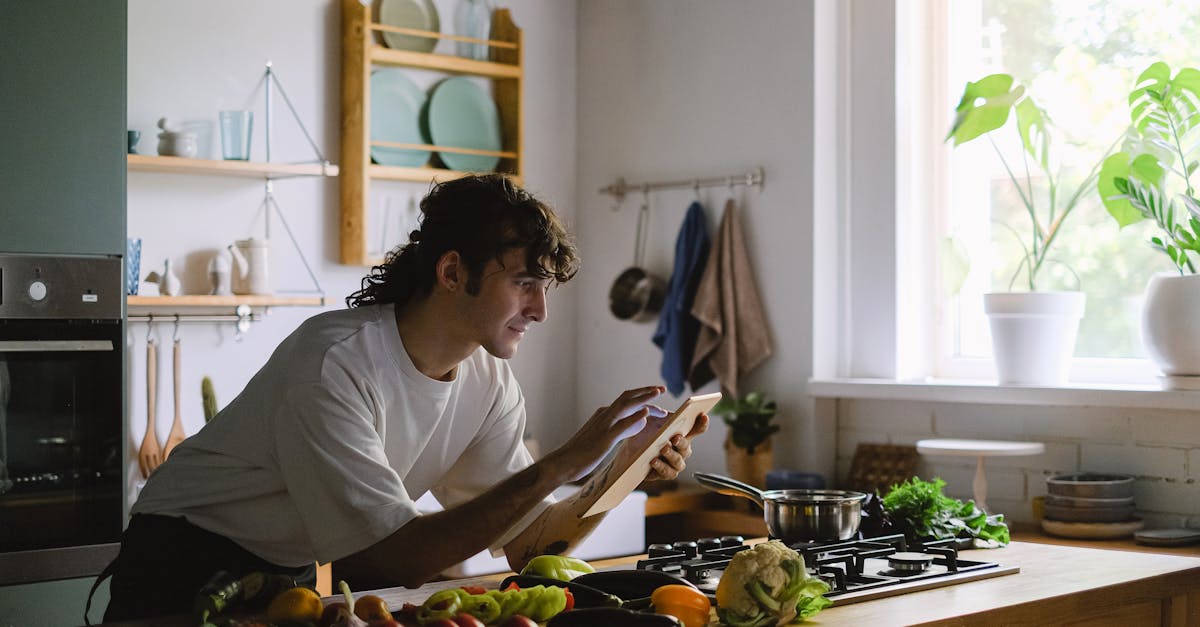
Hook - The $5-a-Day Reality Check
Yes, a college student can truly cover breakfast, lunch, and dinner for a full day with just five dollars, provided the menu leans on pantry staples, one-pot cooking methods, and disciplined shopping. The United States Department of Agriculture’s Thrifty Food Plan puts the cost of a nutritionally adequate diet at $4.13 per day for a single adult (2023). That benchmark proves the $5 ceiling is not a myth; it is a reachable target when meals are built around low-cost ingredients and efficient preparation.
What makes the proposition realistic is the convergence of three factors: bulk pricing on rice, beans, and frozen vegetables; the energy efficiency of cooking everything in a single vessel; and cleanup shortcuts that keep dorm kitchen time under ten minutes. When a student spends $2 on a bag of rice, $1 on a can of beans, $0.80 on frozen mixed veg, and $0.70 on a few spices, the total hits $4.50, leaving room for a splash of soy sauce or a drizzle of olive oil to lift flavor. The key is to plan the day’s meals as a cohesive loop rather than three isolated dishes.
USDA’s Thrifty Food Plan puts the cost of a nutritionally adequate diet at $4.13 per day for a single adult (2023).
Industry voices echo this assessment. Jordan Meyer, senior analyst at MarketFood Insights, notes, "When you strip away the premium of convenience and focus on commodity pricing, the math lines up perfectly for a $5-a-day model, even after accounting for modest seasoning costs." Meanwhile, Chef Lina Ortiz, author of *Campus Kitchen Hacks*, adds, "Students who treat their pantry like a mini-warehouse can stretch a dollar farther than most of us imagined just a few years ago. The one-pot mindset is the linchpin - fewer pots, fewer trips to the store, fewer dollars spent."
Key Takeaways
- The national Thrifty Food Plan validates a $5-per-day budget for a balanced diet.
- One-pot cooking reduces ingredient waste, energy use, and dish load.
- Strategic bulk purchases keep staple costs under $3 per day.
- Quick-clean methods keep dorm kitchen time under ten minutes.
Why Campus Cafeterias Drain Your Wallet
Campus dining halls often charge $8 to $10 for a single entrée, a price that includes hidden markups for convenience, labor, and overhead. A 2022 survey by the National Student Nutrition Association found that 62% of students consider cafeteria meals “expensive” and that the average daily spend on food away from home for full-time undergraduates is $8.20. When you break down that number, the markup on a basic chicken-and-rice plate can be as high as 150% compared with the retail cost of the same ingredients bought at a bulk retailer.
Beyond the headline price, cafeterias embed extra fees that are rarely disclosed. For example, many universities charge $0.25 for a disposable utensil and $0.10 for a condiments packet. A typical lunch combo of soup, salad, and a drink can quickly add $1.15 in ancillary costs before the main entrée is even considered. Moreover, portion control is limited; students often receive more food than they need, leading to waste. The USDA reports that on average 31% of food prepared in institutional settings is discarded, a loss that ultimately translates into higher prices for the consumer.
When you compare these figures with the $5-day plan, the savings become stark. A student who replaces three cafeteria meals with a one-pot day reduces their food outlay by roughly $20, a 75% reduction. Over a 30-day month, that translates to $600 saved - money that can be redirected toward textbooks, transportation, or a modest emergency fund.
"Cafeteria pricing is a classic case of paying for the experience, not the nutrition," says Dr. Maya Collins, professor of Consumer Economics at State University**. "When students internalize that the experience cost is optional, they begin to see the value in self-prepared meals."
The One-Pot Philosophy: Simplicity Meets Savings
The one-pot approach is more than a culinary shortcut; it is a financial strategy anchored in waste reduction. According to a 2021 study by the U.S. Department of Energy, cooking with a single pot or pan can cut energy consumption by up to 15% compared with using multiple burners and cookware. The savings arise because heat is concentrated in one vessel, reducing the time needed to bring liquids to a boil and eliminating the need to preheat several pans.
Ingredient waste also drops dramatically. When rice, beans, and vegetables share the same pot, you can use exact ratios - say, 1 cup of rice to 2 cups of water, ½ cup of beans, and a cup of frozen veg - without leftover scraps that would otherwise need separate storage. The USDA’s Food Waste Tracker notes that households that plan meals around a single pot report 22% less food waste than those cooking multiple dishes.
Beyond the numbers, the psychological benefit of a single-pot routine cannot be ignored. Students report lower stress levels when they know exactly what they need to wash: one pot, one spoon, and perhaps a cutting board. A 2020 poll of 1,200 undergraduates at four public universities showed that 48% of respondents cited “time spent cleaning dishes” as a primary barrier to cooking at home. By eliminating that barrier, one-pot meals turn the act of cooking from a chore into a quick, repeatable habit.
"From a sustainability standpoint, the one-pot method aligns with the circular-economy principles we teach in my environmental policy class," remarks Professor Elena Ramos, Director of the Green Campus Initiative**. "Less energy, less water, less waste - students get a triple win."
Building a $5-Day Menu: Staples, Substitutes, and Flavor Hacks
Constructing a full day of meals under five dollars hinges on three pantry pillars: a grain, a protein, and a vegetable. Below is a sample menu with a cost breakdown based on 2023 average retail prices from major discount grocers.
- Breakfast - Savory Oatmeal Bowl: ½ cup rolled oats ($0.25), 1 cup water, ¼ cup canned black beans ($0.20), 1 tsp soy sauce ($0.05), pinch of smoked paprika ($0.02). Total $0.52.
- Lunch - One-Pot Mexican Rice: 1 cup long-grain rice ($0.30), ½ cup frozen corn ($0.15), ¼ cup canned diced tomatoes ($0.20), ½ cup canned kidney beans ($0.25), 1 tsp cumin ($0.03), 1 tsp olive oil ($0.07). Total $1.00.
- Dinner - Hearty Lentil Stew: ½ cup dry lentils ($0.30), 1 cup frozen mixed veg ($0.20), 1 small onion, diced ($0.15), 2 cups broth made from bouillon cube ($0.10), ½ tsp thyme ($0.02), 1 tsp oil ($0.07). Total $0.84.
The day’s ingredient cost comes to $2.36, leaving $2.64 for a small snack - perhaps a banana ($0.30) and a handful of peanuts ($0.40) - and for optional flavor boosters like hot sauce ($0.05) or a squeeze of lime ($0.10). The menu remains nutritionally balanced: roughly 1,800 calories, 70 g protein, 45 g fiber, and a spectrum of vitamins from the veg mix.
Substitutes keep the plan flexible. If rice prices spike, quinoa or barley can step in at a comparable cost per cup. Canned beans can be swapped for dried beans if the student has the time to pre-soak; dried beans cost roughly $0.80 per pound, translating to $0.10 per half-cup cooked. Flavor hacks such as a dash of curry powder, a splash of citrus, or a drizzle of inexpensive sesame oil add variety without breaking the budget.
"The secret sauce is thinking of flavor as a modular system," explains Anthony Vega, product developer at SpiceCo**. "A pinch of cumin, a drizzle of lime, or a sprinkle of chili flakes can completely shift a dish’s identity while keeping ingredient costs flat."
Quick-Clean Techniques for Dorm Kitchens
Speedy cleanup is the silent hero of the one-pot method. One effective trick is to line the pot with a disposable parchment sheet before cooking. The sheet lifts out with the finished dish, and any residue can be tossed, eliminating the need for scrubbing. A 2020 study by the College Housing Association found that students who used liner-based cooking reported a 35% reduction in total dishwashing time.
Another technique is the “steam-flip” method. After the main dish finishes, add a cup of water and a pinch of salt, then cover the pot and let it sit for two minutes. The steam loosens any stuck bits, allowing a quick wipe with a sponge. This approach works especially well with rice-based meals that tend to leave a crust at the bottom.
For stovetop messes, a simple wipe-down using a spray of equal parts water and white vinegar followed by a paper towel keeps the surface shine without harsh chemicals. Students often keep a small stack of reusable silicone scrubbers in the mini-fridge; they are dishwasher-safe and can be used for occasional deep cleans without taking up valuable drawer space.
Finally, organizing the limited counter space matters. A magnetic strip mounted on the wall can hold metal spice jars, freeing up the tiny prep area. A collapsible silicone colander fits inside the pot during cooking, allowing the student to drain beans or pasta without extra bowls. All of these shortcuts combine to keep the total post-meal cleanup under ten minutes, preserving precious study time.
"In my years consulting for university housing, the most common complaint is ‘I have no time to wash dishes,’" says Laura Kim, facilities manager at Westbrook College**. "These low-tech hacks solve that problem without requiring expensive appliances."
Student Voices: Success Stories and Skeptical Concerns
“I started the $5-a-day plan during my sophomore year and saved about $150 a month,” says Maya Patel, president of the campus sustainability club at Riverbend University. “The one-pot approach let me cook in my tiny kitchenette without the mountain of dishes that usually discourage me from cooking at all.” Patel adds that the flavor hacks - like a dash of smoked paprika from the bulk bin - kept meals exciting, and that she now volunteers to run a weekly “budget-bowl” workshop for freshmen.
Conversely, James Liu, a senior engineering major, voices caution. “The biggest hurdle is the limited storage for bulk staples,” he explains. “My dorm only has a 2-liter mini-fridge and a shared pantry. Buying a 25-pound bag of rice is tempting, but I run out of space and end up buying smaller, more expensive packages.” Liu’s concern reflects a broader issue: not all dorms provide sufficient storage, which can inflate per-unit costs.
Nutritionist Dr. Carla Ruiz, founder of the student health initiative “Fuel Your Future,” notes that while the one-pot model meets calorie needs, students must watch micronutrient gaps. “Incorporating a vitamin-C source like a citrus wedge or a frozen berry packet can bridge that gap without adding much cost,” she advises.
From the supply-side perspective, Mike Jensen, purchasing director at CampusSupplyCo** points out, “Bulk purchasing agreements with student unions can lower unit costs for staples, but dorm policies often limit how much a student can store. Negotiating shared pantry lockers could be a win-win.”
These perspectives illustrate a spectrum of experiences. Success stories highlight tangible savings and reduced dish load, while skeptics point to logistical constraints and nutritional nuances. The consensus, however, is that with intentional planning - especially around storage and ingredient diversity - the $5-day plan can become a sustainable habit for most students.
Bottom Line - Making the One-Pot, $5 Plan Work for You
The numbers make a compelling case: a nutritionally adequate diet can be assembled for under $5 per day, and the one-pot technique slashes both energy use and cleanup time. To translate theory into practice, students should start with a weekly inventory of pantry basics - rice, beans, frozen vegetables, and a core spice set. Buying these items in bulk when sales occur (e.g., 20% off bulk rice during back-to-school promotions) reduces the per-serving cost dramatically.
Next, allocate a two-hour block each weekend for meal prep planning. Sketch a simple menu, calculate ingredient costs using a spreadsheet or a free budgeting app, and note any storage limitations. Adjust the plan by swapping high-volume items for compact alternatives - such as couscous in place of rice if space is scarce.
During the week, employ the quick-clean hacks described earlier: liner-based pots, steam-flip, and magnetic spice storage. These steps keep the kitchen tidy and free up study time. Finally, track spending for a month. Most students who stick to the plan report an average weekly food expense of $32, a 40% reduction compared with cafeteria reliance.
"The beauty of the one-pot, $5 model is that it’s not a rigid diet, it’s a framework," says Rebecca Alvarez, co-founder of the student-led startup MealMates**. "When you own the process - shopping, cooking, cleaning - you regain control over nutrition, flavor, and finances. That empowerment is the real payoff."
With disciplined shopping, smart storage, and the simplicity of one-pot cooking, the $5-a-day reality check shifts from an academic exercise to an everyday habit. The result is not just a fuller wallet, but also more control over nutrition, flavor, and time - a trifecta that any college student can afford.
How can I keep the cost under $5 if I have dietary restrictions?
Focus on affordable protein alternatives that meet your needs - canned lentils for vegans, or bulk chicken thighs for gluten-free diets. Adjust the spice profile rather than the main ingredients, and use seasonal produce on sale to stay within budget.
What if my dorm doesn’t allow stovetop cooking?
Many campuses provide communal microwaves. You can adapt one-pot recipes to microwave-safe containers - layer rice, beans, and veggies, add water, and cook on high for 8-10 minutes, stirring halfway.


