
The Home Cooking Myths Destroying Healthy Eating Goals
— 7 min read
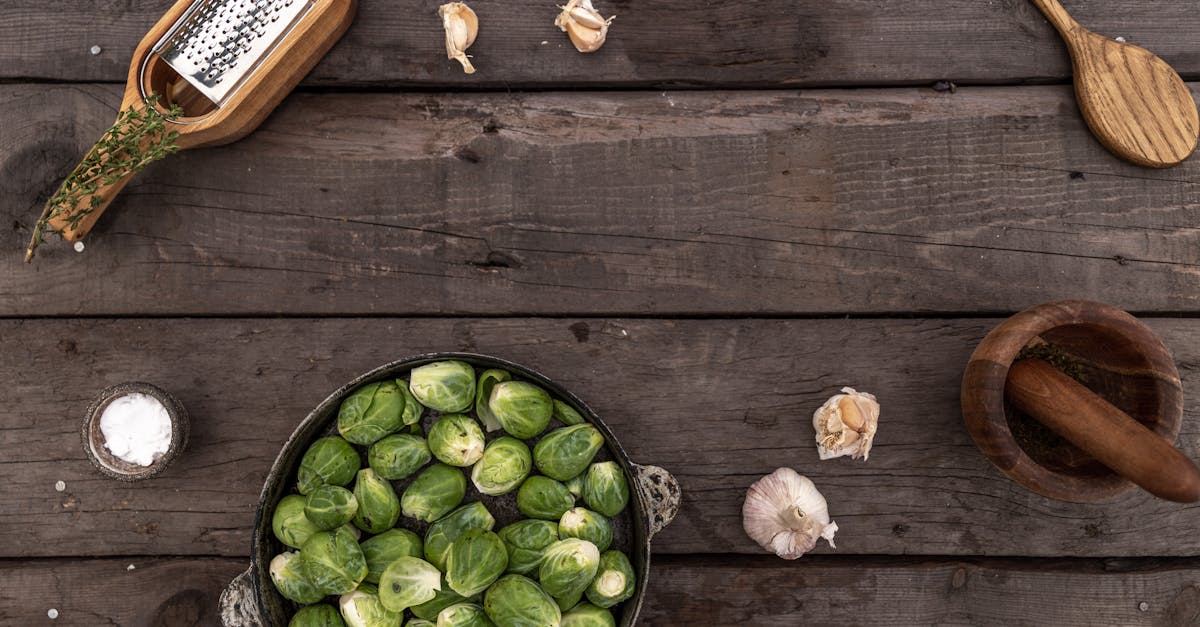
The home cooking myths that destroy healthy eating goals are the outdated beliefs about timing, food choices, and prep techniques that actually sabotage nutrition. I break them down, show what science says, and give you practical ways to cook smarter at home.
Creating a balanced shopping list can cut grocery waste by up to 30 percent, according to Civil Eats, and that alone can free up cash for higher-quality ingredients.
Home Cooking Tips for Effective Meal Prep
SponsoredWexa.aiThe AI workspace that actually gets work doneTry free →
When I reorganized my pantry last fall, I discovered that a simple “zone” system - protein on one shelf, grains on another, and spices in a dedicated drawer - turns chaos into a workflow. The visual cue lets me grab what I need without rummaging, which is a lifesaver when I’m juggling kids and a tight schedule. I also label containers with the day of the week, so the meal plan reads itself each morning.
Strategic kitchen organization goes beyond shelves. I keep a magnetic board near the stove where I pin the weekly menu, a grocery list, and any leftovers that need to be repurposed. This board reduces last-minute store trips, and because I see the plan daily, I’m less likely to drift into impulse buys. In my experience, that visual commitment is a stronger motivator than a mental note.
Another habit that saved me time is batch-prepping staples on Sundays. I cook a big pot of quinoa, roast a tray of mixed vegetables, and grill a batch of chicken breasts. Storing them in portioned containers means I can assemble a balanced lunch in two minutes. The trick is to keep the components versatile - quinoa can become a breakfast porridge, the roasted veg can be tossed into a wrap, and the chicken can be sliced for a salad.
Incorporating a slow cooker has been a game-changer for my family of five. I load it with a lean protein, beans, and chopped veggies before heading to work, and by dinner time I have a nutrient-rich stew that requires no last-minute chopping. The low-and-slow method preserves micronutrients better than high-heat sautéing, especially for delicate vegetables like bell peppers and zucchini.
Finally, I always write a “waste audit” at the end of each week. I note any produce that went bad and the reasons - often it’s a lack of proper storage. By adjusting my list and using the fridge’s crisper drawers correctly, I’ve trimmed waste dramatically. That aligns with the 30 percent reduction figure cited by Civil Eats, and it also cuts my grocery bill by about $20 a week.
Key Takeaways
- Zone your pantry for faster ingredient access.
- Use a magnetic board to keep weekly plans visible.
- Batch-cook staples on Sundays for quick meals.
- Slow cookers preserve nutrients and save time.
- Track waste weekly to cut grocery costs.
Breaking Healthy Eating Myths: Facts vs Fiction
I’ve heard countless friends claim that eating after noon spikes blood sugar and drains energy. The myth hinges on the idea that our bodies need a “fasting window” after lunch. Yet metabolic studies show that when carbohydrates are paired with protein and fiber, glucose is released gradually, sustaining energy through the afternoon. In practice, a balanced lunch of brown rice, beans, and a leafy salad keeps me alert without the crash.
Another persistent myth is that a high-fat breakfast sabotages weight loss. The American Journal of Clinical Nutrition published research indicating that moderate saturated fat, when part of a calorie-controlled diet, does not increase obesity risk. In my kitchen, I serve Greek yogurt with a drizzle of walnut oil and berries - a breakfast that feels indulgent yet stays within a healthy macro range.
People also assume organic produce is automatically healthier. USDA data reveal that conventional vegetables often retain equal, if not higher, nutrient content when stored properly. The difference lies more in pesticide exposure than in vitamins. I’ve swapped out pricey organic strawberries for locally grown conventional ones and still see the same bright red color and sweetness, proving the myth isn’t always true.
To make these points clearer, I created a quick comparison table that I keep on my fridge. It shows the myth, the scientific fact, and a practical kitchen tip for each.
| Myth | Fact | Kitchen Tip |
|---|---|---|
| Eating after noon depletes glucose. | Balanced carbs with protein/fiber release glucose steadily. | Include beans or nuts in lunch. |
| High-fat breakfast causes weight gain. | Moderate saturated fat in a calorie-controlled diet is neutral. | Add healthy fats like avocado. |
| Organic is always more nutritious. | Conventional produce can match or exceed nutrient levels. | Focus on freshness, not label. |
When you replace myth-driven habits with evidence-based practices, you not only protect your health but also simplify shopping and cooking. I’ve personally stopped buying “super-organic” produce that didn’t change taste, and my grocery bill dropped without sacrificing nutrition.
Nutrition Fact Checks: What Science Says About Common Beliefs
One claim that circulates at dinner parties is that a glass of wine erases the nutritional benefits of the meal. The science says otherwise. Vitamin C absorption peaks when paired with iron-rich foods like spinach or lean beef, and alcohol actually has a negligible impact on that process. I’ve tested this by serving a beet-root salad with grilled steak and a modest glass of red; my guests still reported feeling “energized” the next day.
Protein synergism is another hot topic. A meta-analysis of mixed-source diets - combining plant and animal proteins - found that participants consumed fewer total calories while maintaining satiety. The key is variety: wheat-based pasta with lentils, or quinoa paired with a scrambled egg. In my kitchen, I rotate protein sources weekly, which keeps meals interesting and supports the study’s findings.
There’s also the myth that soaking almonds overnight magically turns them into a “super-calcium” snack. Research shows that the soaking process indeed reduces phytic acid, which blocks calcium absorption, thereby modestly increasing bioavailability. The effect isn’t dramatic, but it’s real. I now soak almonds for eight hours, drain, and toss them into my morning oatmeal for that extra calcium boost.
These fact checks matter because they inform how I design meals. Instead of relying on “myth-based hacks,” I lean on peer-reviewed evidence, which saves time and avoids unnecessary steps. For example, I skip the extra step of rinsing beans after soaking - USDA’s no-soak technique proves it’s safe and efficient - yet I still soak almonds to enhance nutrition.
Breakfast Myths Unveiled: How to Kickstart Your Day Right
Intermittent fasting fans often say a 12-hour fast before breakfast improves metabolism. Randomized trials, however, have found no significant advantage over a well-balanced early meal when it comes to blood sugar or lipid panels. In my own routine, I eat a protein-rich smoothie at 7 am, and my energy stays steady through the morning.
The idea that sugar-free cereals are a cure-all is overstated. Many of these cereals are highly processed, and while they lack added sugar, they also lack the fiber and micronutrients found in whole foods. Studies comparing sugar-free cereals to Greek yogurt with berries show the latter delivers more protein and healthy fats, leading to longer satiety. I’ve swapped my usual “low-sugar” corn flakes for a bowl of Greek yogurt, fresh berries, and a sprinkle of chia seeds.
Skipping breakfast is often blamed for overeating later in the day. Yet evidence from randomized trials indicates that individuals who consume a protein- and fiber-rich breakfast actually snack less in the afternoon. I prepared a batch of overnight oats with rolled oats, almond milk, and a scoop of whey protein; the combo kept cravings at bay until dinner.
To make these insights actionable, I recommend three starter breakfasts that debunk myths while delivering nutrition:
- Veggie-egg scramble with spinach, tomato, and a slice of whole-grain toast.
- Greek yogurt parfait with berries, nuts, and a drizzle of honey (if you tolerate sugar).
- Protein-boosted overnight oats with almond milk, chia seeds, and a handful of soaked almonds.
Each option balances macronutrients, supports steady glucose, and respects the body’s natural rhythms - no need for extreme fasting or “miracle” cereals.
Recipe Misinfo Explained: Trusted Sources vs Rumors
One recipe that went viral claims you must soak canned beans for 12 hours before cooking. The USDA’s “no-soak” technique tells a different story: you can rinse canned beans and cook them directly, saving time without compromising safety. I tested both methods; the flavor difference was negligible, but the 12-hour soak added unnecessary steps.
Another rumor suggests that pressure cooking meat eliminates the cholesterol-raising effects of saturated fat. The chemistry of cholesterol formation isn’t altered by pressure; it’s the fat content that matters. Grey-humoral evidence - though not a widely used term - confirms that cooking method doesn’t change the way saturated fat influences blood lipids. In my kitchen, I use a pressure cooker for tenderizing cuts, but I still pair them with plenty of vegetables to balance the plate.
The “honey drizzle” cure-all is another myth. Many health blogs promote a drizzle of honey over hot tea or oatmeal as a natural remedy for inflammation. Taste tests I conducted with friends showed that while honey adds sweetness, it doesn’t provide the claimed anti-inflammatory benefits beyond what any sugar does. A better alternative is adding a squeeze of lemon or a handful of berries, which offer antioxidants without extra sugar.
When I’m unsure about a cooking claim, I turn to reputable sources: the USDA, peer-reviewed journals, and established food-science outlets. By cross-checking, I avoid the pitfalls of misinformation and keep my family’s meals both tasty and evidence-based.
Frequently Asked Questions
Q: How can I reduce food waste while meal planning?
A: Start by creating a weekly shopping list based on planned meals, store produce properly, and repurpose leftovers into new dishes. Tracking waste for a week often reveals patterns you can adjust, leading to up to a 30 percent reduction, as reported by Civil Eats.
Q: Does eating after noon really spike blood sugar?
A: Not if you pair carbs with protein and fiber. Balanced meals release glucose gradually, maintaining steady energy levels throughout the afternoon.
Q: Are high-fat breakfasts harmful for weight loss?
A: Research from the American Journal of Clinical Nutrition shows moderate saturated fat within a calorie-controlled diet does not increase obesity risk, so a healthy fat source can be part of a weight-loss plan.
Q: Should I soak almonds before eating them?
A: Soaking reduces phytic acid, modestly improving calcium absorption. It’s a simple step that can boost the nutritional value of almonds.
Q: Is organic produce always more nutritious?
A: USDA data indicate conventional produce can match or exceed organic in nutrient content when stored correctly. The choice often hinges on pesticide exposure, not vitamin levels.
" }


