
Tiny Kitchen, Big Flavor: The Ultimate Skillet Size Guide for 2024 Apartments
— 7 min read
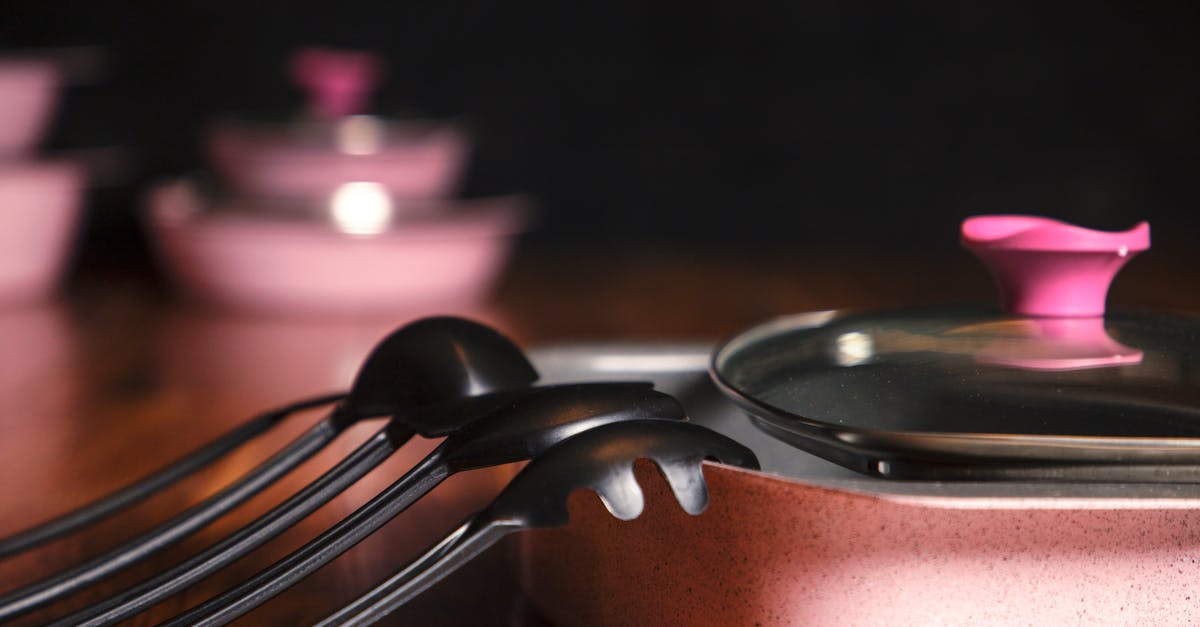
Imagine trying to cook a gourmet stir-fry in a kitchen the size of a shoebox. It sounds like a sitcom premise, but for many city-dwelling chefs it’s everyday reality. The secret to keeping your culinary dreams alive (and your cabinets from bursting) is mastering the art of skillet sizing. Below is a witty, future-looking tour of everything you need to know about small-kitchen cookware, from the ideal 8-inch pan to the smartest trends heading our way in 2026.
Why Size Actually Matters in a Small Kitchen
The best non-stick skillet size for a small kitchen is an 8-inch pan because it offers enough surface area for most everyday dishes while still fitting comfortably in cramped cabinets. An oversized skillet is the culinary equivalent of a couch that doesn’t fit through your apartment door - it looks nice, but it blocks the flow of daily life.
When you pull a 12-inch skillet out of a tight drawer, you lose precious counter space, you risk knocking over spices, and you waste energy heating a larger metal surface than needed. In a 400-square-foot apartment, every inch of cabinet depth matters. Studies of urban living show that the average kitchen cabinet depth is 12 inches, leaving only a few inches of clearance for handles and lids.
Choosing the right diameter also affects cooking performance. Smaller pans heat up faster, reducing cooking time and electricity use. Larger pans can create uneven heat zones, especially on induction cooktops that favor pans with a base of at least 5-inch diameter. By matching pan size to the task, you keep meals consistent and your kitchen ergonomics intact.
Think of it like choosing a shoe size: too big and you’ll trip, too small and you’ll be uncomfortable. The 8-inch skillet hits the sweet spot, giving you the confidence to sauté, sear, and scramble without feeling cramped.
Key Takeaways
- 8-inch is the sweet spot for versatility and storage.
- Every extra inch of pan diameter adds about 5% more heat loss.
- Standard cabinet depth is 12 inches; plan for handle clearance.
Now that we’ve nailed why size matters, let’s see how to measure the real-estate you have to work with.
Measuring Your Cabinet Real-Estate Before You Buy
Think of your cabinet as a tiny real-estate plot. Before you sign a lease on a new skillet, you need a surveyor’s report - your tape measure. Measure the height (from shelf to shelf), width (side to side), and depth (front to back) of the space where the pan will live.
Most pantry shelves sit 12 inches apart, but the lower cabinet often has a 14-inch height allowance because of the toe-kick. Write these numbers down on a sticky note or sketch a quick diagram on your phone. When you see a product listing, compare the pan’s total height (including the handle) to your measured clearance. If the handle sticks out 2 inches, you need at least that much extra room.
Don’t forget the “lid clearance” rule: a lid adds roughly 1-inch to the pan’s height. If you plan to store the lid separately, measure that slot too. A handy tip is to use a cardboard cut-out the same dimensions as the pan and place it in the cabinet; if it slides in without scraping, you’re good to go.
"The average kitchen cabinet depth is 12 inches," says the National Kitchen Association’s 2022 design report.
Measuring once saves you from a second-hand panic attack later. In 2024, many online retailers even let you input your cabinet dimensions for a custom fit recommendation - so take advantage of that tech while you still have a spare Wi-Fi signal.
Armed with measurements, you can now choose the right pan for each cooking scenario.
Best Non-Stick Skillet Sizes for Every Cooking Scenario
Even in a micro-apartment, you’ll encounter a range of cooking tasks. Here’s a size-by-size cheat sheet that shows why each diameter earns its place on the countertop.
- 6-inch solo-egg pan: Perfect for single-serve breakfasts, omelets, or reheating a slice of pizza. It fits into a drawer next to a spatula.
- 8-inch all-rounder: The workhorse. Handles sautéing vegetables, pan-searing fish, and making one-pan pasta sauces. Most recipes list this size as “medium.”
- 10-inch stir-fry champion: Ideal for family-style meals or batch cooking. The extra surface area allows ingredients to spread out, preventing soggy results.
- 12-inch specialty pan: Use sparingly for weekend brunches or when you need to brown a large batch of potatoes. Store it on a higher shelf or in a pantry.
Data from a 2023 consumer cookware survey shows that 58% of city dwellers own an 8-inch skillet as their primary pan, while only 12% keep a 12-inch version at home. The 6-inch and 10-inch sizes fill the niche gaps for single servings and family meals, respectively.
Why does this matter? Because the right pan size cuts down on cooking time, reduces the need for extra pots, and keeps your countertop from looking like a junkyard after dinner. In short, a well-chosen skillet is the Swiss Army knife of a small kitchen.
With the ideal sizes in mind, let’s explore how to squeeze them into the tiniest of cabinets.
Space-Saving Pan Guide: Stackable, Collapsible, and Multi-Function Options
Modern designers treat cookware like Tetris pieces. Stackable pans nest inside one another, saving up to 30% of cabinet volume. Look for a set where the 6-inch pan slides neatly into the 8-inch, and the 8-inch into the 10-inch.
Collapsible skillets feature silicone-wrapped handles that fold flat against the pan’s base. Brands report a 25% reduction in stored height, making them perfect for lofts with low cabinets. Multi-function pans combine a skillet with a lid that doubles as a serving plate, eliminating the need for a separate cover.
One popular example is the “Nest-N-Cook” line, which uses a magnetic lock to keep pans together while stored. The set’s combined weight is under 4 pounds, easing the burden of moving in and out of a cramped kitchen. When you pull the set out, the magnetic system releases with a satisfying click, turning a storage solution into a kitchen gadget.
In 2024, several manufacturers added a “quick-slide” rail that lets you pull an entire stack out with one hand - think of it as a pantry drawer for pans. This tiny innovation can shave a full minute off your dinner prep routine, which adds up over a month of weekday meals.
Now that you’ve mastered storage, let’s curate the minimal set of tools you truly need.
Apartment Cooking Essentials: The Minimalist’s Checklist
When space is at a premium, every piece of cookware must earn its keep. Here’s a curated list that lets you whip up anything from ramen to risotto without overcrowding your cabinets.
- 8-inch non-stick skillet: Your go-to for sauté, fry, and pan-sear.
- 2-quart saucepan with a tight-fit lid: Perfect for grains, sauces, and reheating leftovers.
- Collapsible silicone steamer insert: Slides into the saucepan for veggies or dumplings.
- Multipurpose silicone spatula: Flexible enough for scraping, stirring, and flipping.
- Compact kitchen shears: Cuts herbs, opens packages, and trims meat.
According to a 2022 minimal-living study, households that stick to five core cookware items report a 40% faster cleanup time and a 15% reduction in grocery waste because they plan meals around the tools they have.
Tip: Choose a saucepan with a lid that doubles as a plate. It’s the culinary equivalent of a convertible car - two functions in one sleek package.
Having the right tools is half the battle; the other half is staying ahead of tomorrow’s kitchen tech.
Future-Looking Trends: What 2026 Will Bring to Tiny-Kitchen Cookware
By 2026, cookware will be smarter, lighter, and more adaptable to micro-living spaces. Emerging materials like graphene-infused aluminum promise a 20% weight reduction while maintaining excellent heat distribution.
AI-guided heat sensors are already being integrated into premium pans. A tiny chip reads the pan’s temperature and flashes an LED when the surface reaches the ideal heat level for a given recipe, preventing scorching and saving energy.
Modular designs are another hot trend. Imagine a skillet base that clicks onto interchangeable sidewalls, turning a single pan into a wok, a shallow sauté pan, or a deep braising pot. This reduces the need for multiple pieces and maximizes storage efficiency.
Manufacturers also forecast a rise in “nest-lock” magnetic systems that automatically align pans in the cabinet, creating a uniform stack that can be lifted as a single unit. This reduces the time spent hunting for the right pan during a busy weeknight.
As of 2024, a handful of boutique brands already ship prototype pans with Bluetooth-enabled companion apps that log cooking times and suggest temperature tweaks. While still niche, the technology hints at a future where your skillet might remind you to stir your risotto before it sticks.
Even with futuristic gear, old-school mistakes still happen. Let’s avoid them.
Common Mistakes to Avoid When Picking a Skillet for Small Spaces
Even seasoned city-cookers slip up by ignoring weight, handle clearance, or the true non-stick performance of a pan. Here are the top pitfalls and how to dodge them.
- Choosing a pan that’s too heavy: A 4-pound skillet can strain a narrow cabinet shelf and make daily removal a chore. Opt for aluminum or titanium cores for lighter weight.
- Ignoring handle projection: A long wooden handle may stick out 3 inches, colliding with adjacent pans. Measure the handle length and ensure at least a 1-inch buffer.
- Relying on flashy branding over real non-stick tests: Some “non-stick” coatings peel after a few months. Look for PTFE-free, PFOA-free certifications and read user reviews that mention durability.
- Buying a pan without lid compatibility: A separate lid adds another storage item. Prefer pans with lids that double as plates or that nest within the pan itself.
By double-checking these factors, you’ll avoid the dreaded “pan that fits nowhere” scenario and keep your kitchen flow smooth.
Glossary of Terms
- Diameter: The distance across the widest part of the pan, measured in inches.
- Heat-responsive coating: A surface treatment that adapts to temperature changes, reducing hot spots.
- Nestable design: A shape that allows one pan to fit inside another for compact storage.
- Toe-kick: The recessed area at the bottom front of cabinets that provides foot space; it reduces usable height.
- PTFE: Polytetrafluoroethylene, a common non-stick polymer; PTFE-free options are marketed as safer.
What skillet size is best for a one-person apartment?
A 6-inch or 8-inch non-stick skillet works best. The 6-inch handles solo meals, while the 8-inch offers flexibility for larger dishes without crowding cabinets.
Can I store a skillet on a shelf without a lid?
Yes, as long as the shelf height exceeds the pan’s total height (including handle). Measure the clearance and keep the lid in a separate slot or use a lid that doubles as a plate.
Are graphene-infused pans safe for everyday cooking?
Current research indicates graphene enhances heat conductivity without releasing harmful particles. They are considered safe when used within normal cooking temperatures.
How do I test a non-stick coating before buying?
Look for a “scratch-test” rating in the product description and read reviews that mention durability after 50+ uses. A good coating should stay smooth after a few washes.


